very animal on this planet is interesting and complex in its own way. Humans know more about some animals than others. The Rocky Mountain goat is one animal that humans have not been able to research thoroughly, as this animal generally doesn’t share a habitat with humans.
However, this does not stop some people from hunting the Rocky Mountain goat. As per usual, catches are considered more impressive when the animal is bigger. Read on to discover the largest Rocky Mountain goat ever caught in Alaska!
Background Information on the Rocky Mountain Goat
The name of this animal is somewhat deceptive. Rocky Mountain goats are not true goats. They are actually more closely related to antelope. They occupy a very specific niche in the ecosystem.
Range
They live in mountainous regions of the northwest United States, including the Cascade Range and Rocky Mountains.
The Rocky Mountain goat lives in mountainous regions of the northwest United States, including the Cascade Range and Rocky Mountains. They can be found in Montana, Idaho, and Washington.
The populations extend north of the United States into Canada and Alaska. There are many goats present in southeastern Alaska, as well as Alberta. Around half or more of the entire world’s population of Rocky Mountain goats resides in British Columbia.
Populations of Rocky Mountain goats have also been introduced into certain regions for purposes such as trophy hunting. These non-native populations can be found in South Dakota, Colorado, Oregon, Nevada, Utah, Wyoming, Idaho, and parts of Washington.
Habitat
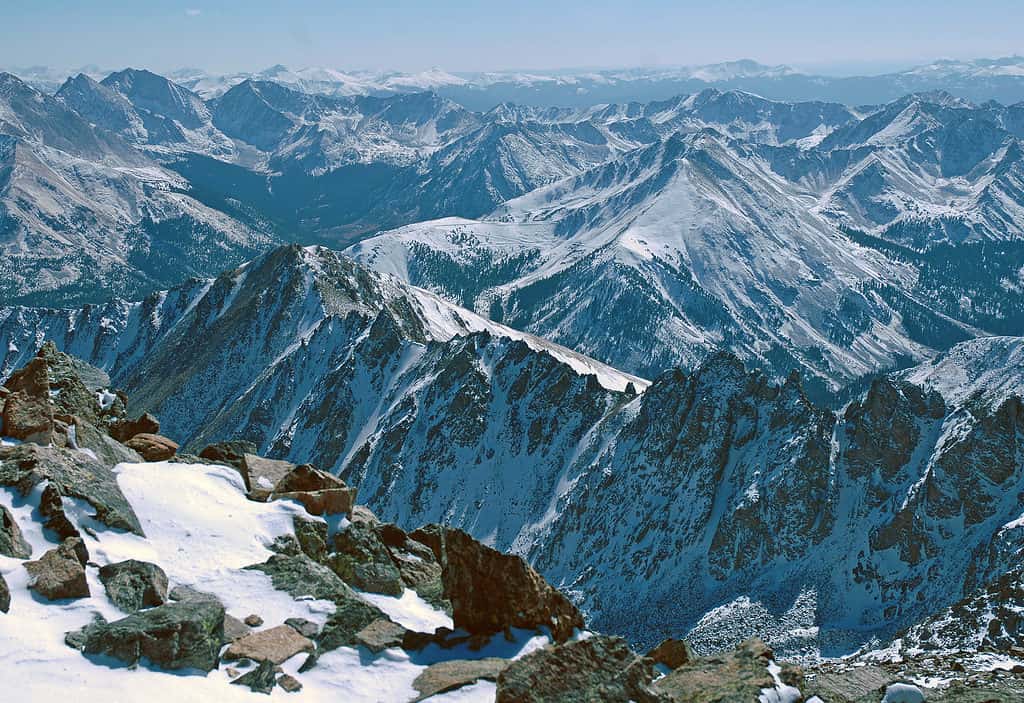
The vast majority of Rocky Mountain goats are present in alpine and subalpine habitats. They heavily prefer the steep grounds of mountains and cliffs. However, they sometimes go down to temperate forests at sea level in coastal regions. Movements typically reflect their nutritional or security-related needs.
Diet
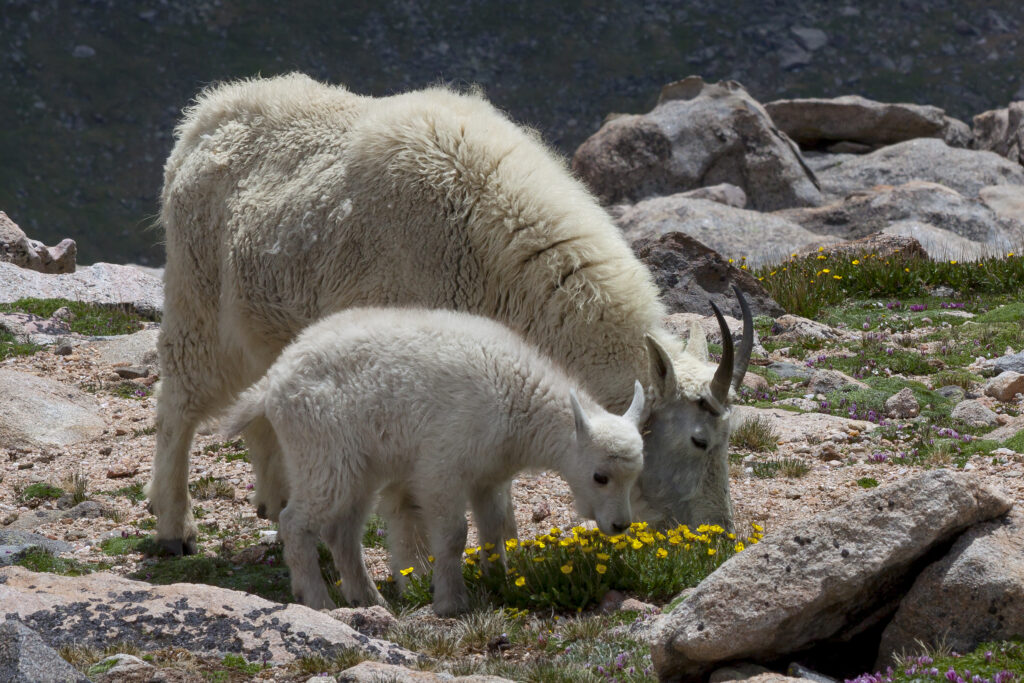
The Rocky Mountain goat is a herbivore. Typically, they eat grasses, friends, lichens, mosses, sedges, and herbs.
The Rocky Mountain goat is a herbivore. Typically, they eat grasses, friends, lichens, mosses, sedges, and herbs. They also eat twigs and leaves from the shrubs, alpine firs, and conifers that are present in their natural habitats.
In the summer, they may leave their cliffs to find nutrition at mineral licks. Inorganic sulfur is particularly important for the synthesis of amino acids that are important for hair growth.
Threats
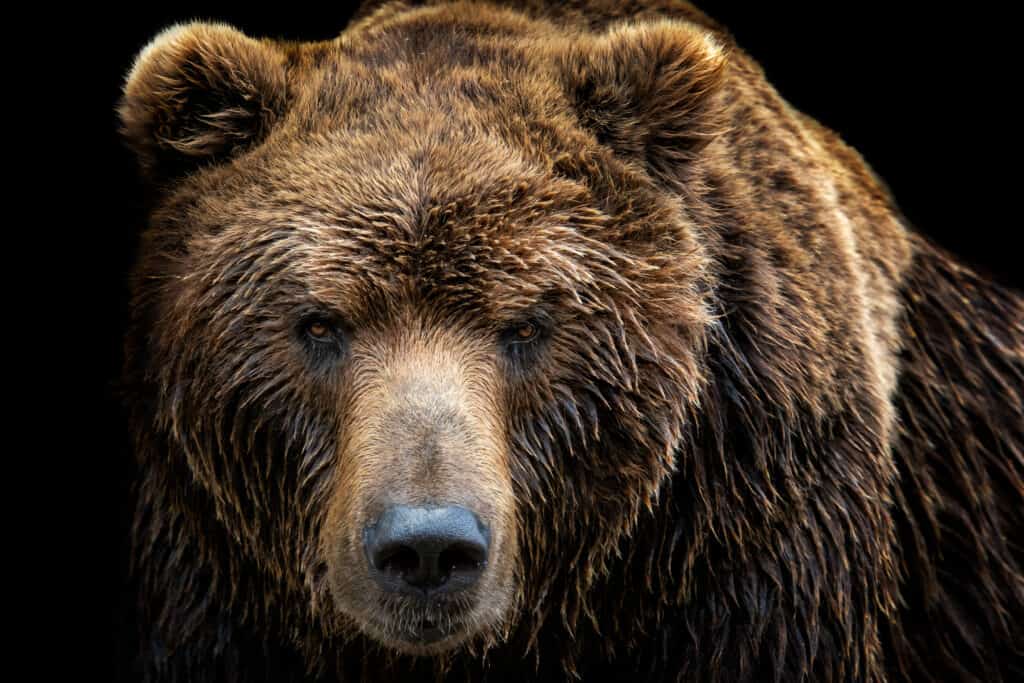
The major predators of the Rocky Mountain goat include brown bears.
The major predators of the Rocky Mountain goat include brown bears, gray wolves, and mountain lions. Human harvest of these goats can also be a significant threat to their populations.
Severe weather conditions can threaten goat populations as well. High snowfall can result in significant population declines by killing large numbers of adult mountain goats. Because they do not reproduce prolifically, it can take a while to rebuild these populations when this happens.
Human disturbances of the goat’s habitat is also a significant threat. Timber harvest can reduce the amount of suitable habitat available to goat populations. These goats are also sensitive to industrial disturbance activities.
Appearance and Size
Males (billies) and females (nannies) look fairly similar. Both have long black horns, short tails, and beards. They have grayish-white double coats, which grant them protection from the cold. These coats also serve as effective for camouflage purposes, as predators have a harder time spotting them on snow-covered terrain.
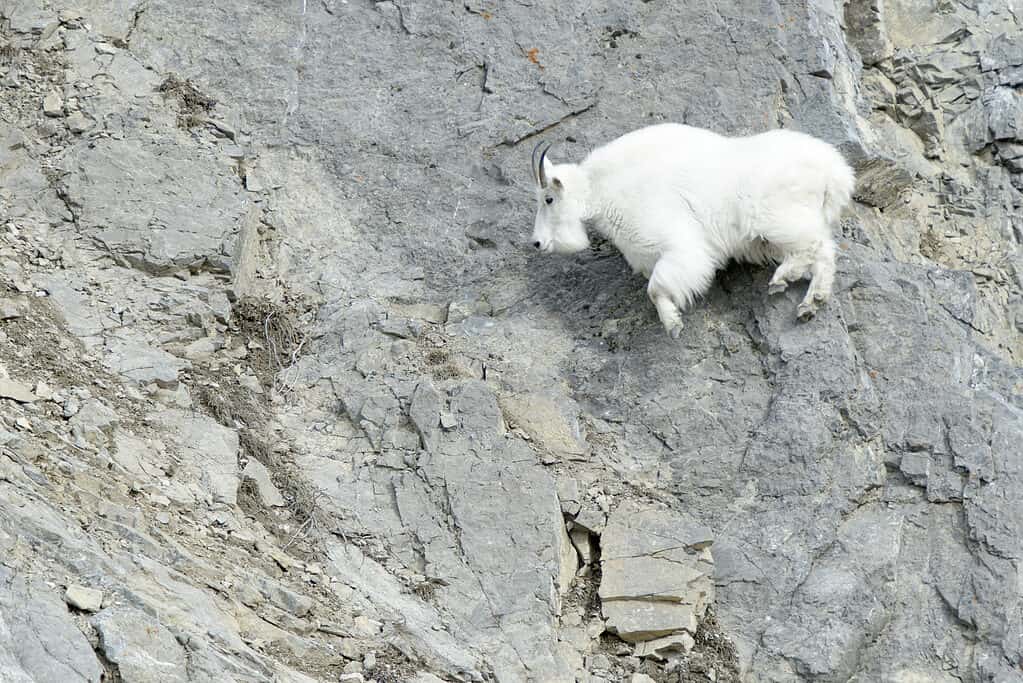
The feet of the Rocky Mountain goat have adaptations that help them survive in their mountainous habitats. They have hard rims that surround inner pads on their feet that give them traction. They are also easily able to spread apart the toes of their cloven hooves, also assisting with traction.
Because of their adaptations, they are easily able to climb rocky slopes at angles higher than 60°.
The Rocky Mountain goat is 4 or 5 feet long, measured from the tip of the nose to the rump. They are about 3.5 feet tall at the shoulder. On average, billies are about 40% larger than nannies. The average nanny weighs about 180 pounds, and the average billy weighs about 280.
However, males can sometimes weigh over 300 pounds. The largest male ever weighed was 385 pounds.
Rocky Mountain Goats in Alaska
Most of the Rocky Mountain goats in the world are found in either British Columbia or Southeast Alaska.
Most of the Rocky Mountain goats in the world are found in either British Columbia or Southeast Alaska. They live in the southeast panhandle of Alaska, with their range extending to Cook Inlet. They also live in South Central Alaska, although here they are confined to certain mountain ranges.
These goats are also present on the islands of Alaska, although they are not native there.
The Largest Rocky Mountain Goat Ever Caught in Alaska
Some people might find the size assessment of a Rocky Mountain goat to be somewhat confusing.
As they do with many other large mammals, judges score Rocky Mountain goats based on a calculation that includes measurements of length and circumference at various points on the animal’s horns. The largest Rocky Mountain goat ever caught in any given region has been assessed according to these measurements, not measurements of height or weight.
Judges discourage hunters from shooting nannies, but it can be hard to tell females from males when it comes to this species. Both have horns, and it can be difficult to distinguish sex of the animal by the size of the horn.
Stev Lime is a passionate wildlife and nature writer dedicated to sharing fascinating stories and informative insights about animals around the world. With a strong interest in wildlife, animal behavior, habitats, and conservation, Stev Lime creates engaging content that helps readers discover and appreciate the natural world.
Through carefully researched articles, Stev Lime explores the lives, behaviors, and unique characteristics of wild animals while highlighting the importance of protecting wildlife and preserving their natural habitats.