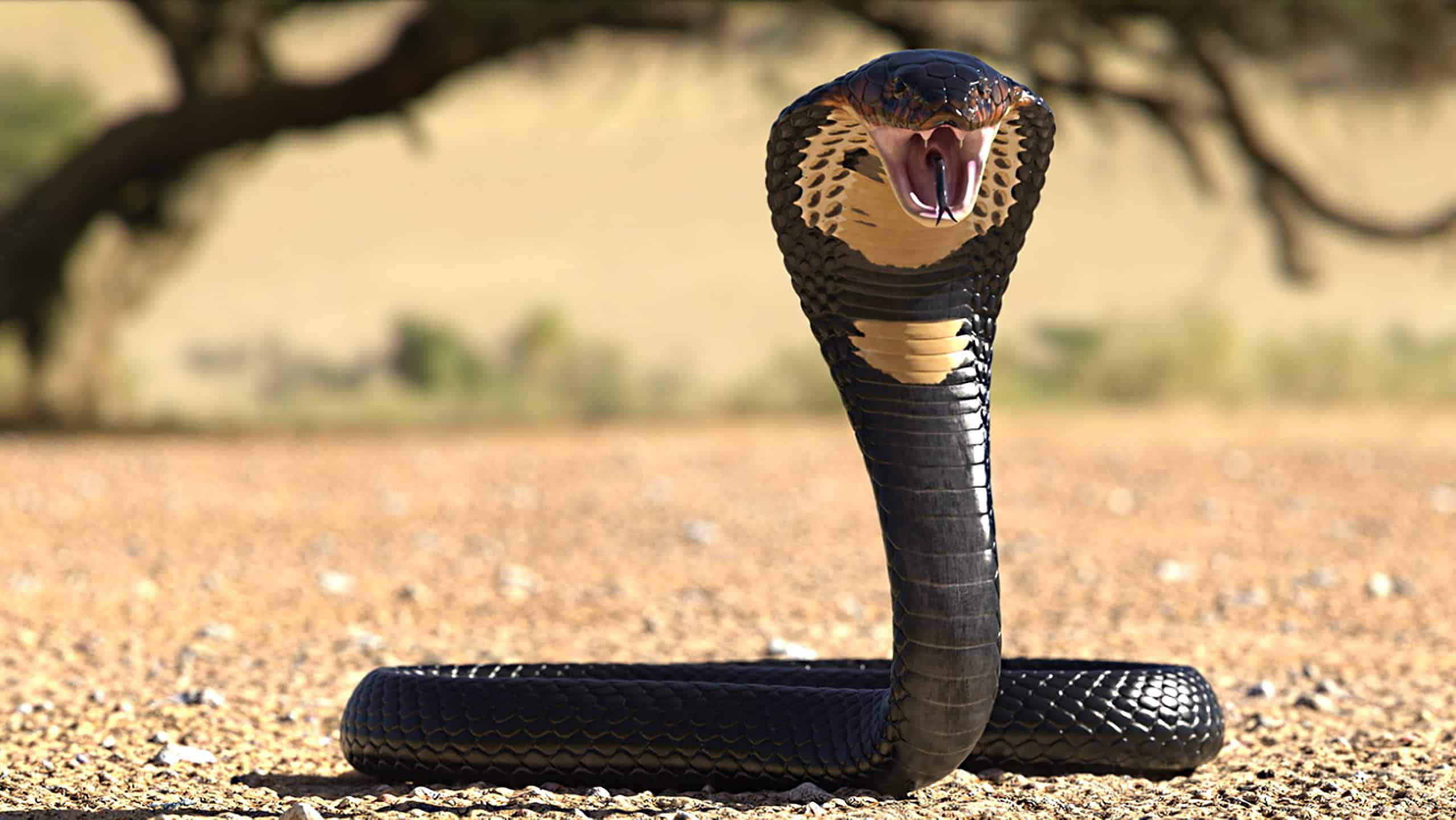
Check Out the Video Below!
The video goes on to share six educational facts that help us to understand how a mongoose could beat a king cobra. Here are those six facts they share:
- A mongoose is a small, dynamic mammal with a long body and short legs.
- Humans have long admired mongooses for their ability to kill venomous snakes, including cobras and adders.
- Some mongoose species have evolved partial resistance to certain neurotoxic snake venoms.
- This adaptation can reduce the effects of some snake venoms, though mongooses are not fully immune and can still be injured or killed.
- They are not immune to venom, but thanks to special mutations in their nervous system …
- The neurotoxin has difficulty binding to its nicotinic acetylcholine receptors, rendering it less effective.
And as we can see from the video, this great fight is not for the weak of the heart. It is astonishing to see the strength of this little mongoose, and the speed with which it tries to grab the king cobra and get out of its grip.
While mongooses have some resistance to certain snake venoms, a venomous bite can still be dangerous or even fatal.
Anytime there is a mention of one of the most venomous snakes in the world, it always catches our attention! Fights involving venomous snakes can be dangerous, but venom does not guarantee an advantage. Agile predators such as mongooses are well known for taking on venomous snakes, including cobras. However, aren’t most wild animal fights considered to be unfair?
Unlike many snake encounters, this king cobra appears cautious in its standoff with the mongoose. Now, that might shock you just about as much as it did us! So, let’s look at the traits that make a mongoose such a formidable opponent for a king cobra.
Can a Human Survive a King Cobra Bite?
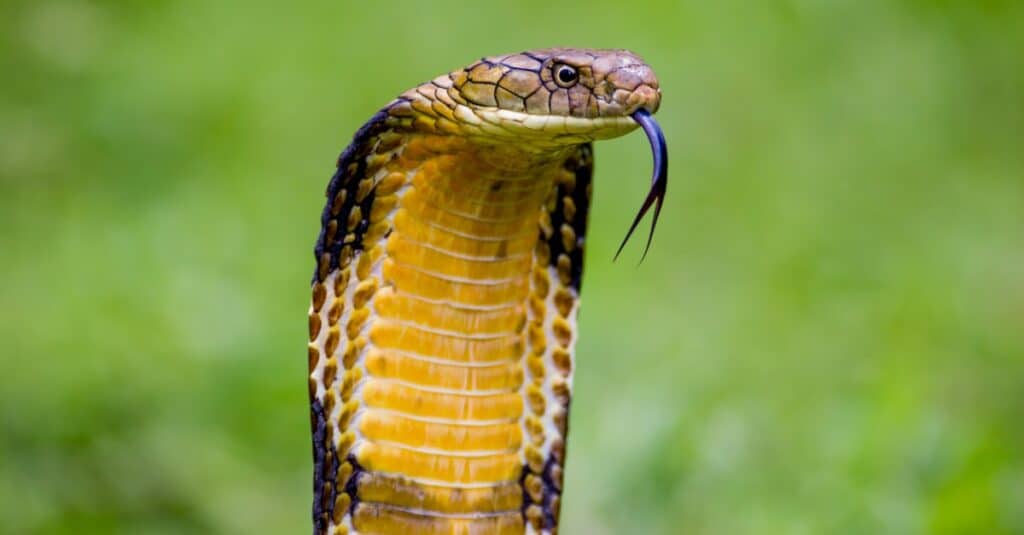
While many snakes are venomous, the king cobra is the longest venomous species. Exceptional individuals can reach about 18 feet, though most are shorter.