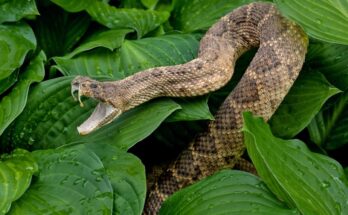
Getting stung is never a pleasant experience. While you are coping with the pain and discomfort, your last concern is the animal that delivered it. And that is understandable. We compared the stinging methodology of honey bees, bumblebees, wasps, hornets, yellowjackets, and ants.
What Is a Stinger?
Bees, wasps, and ants all have stingers. Interestingly, they are also related even though they look quite different.
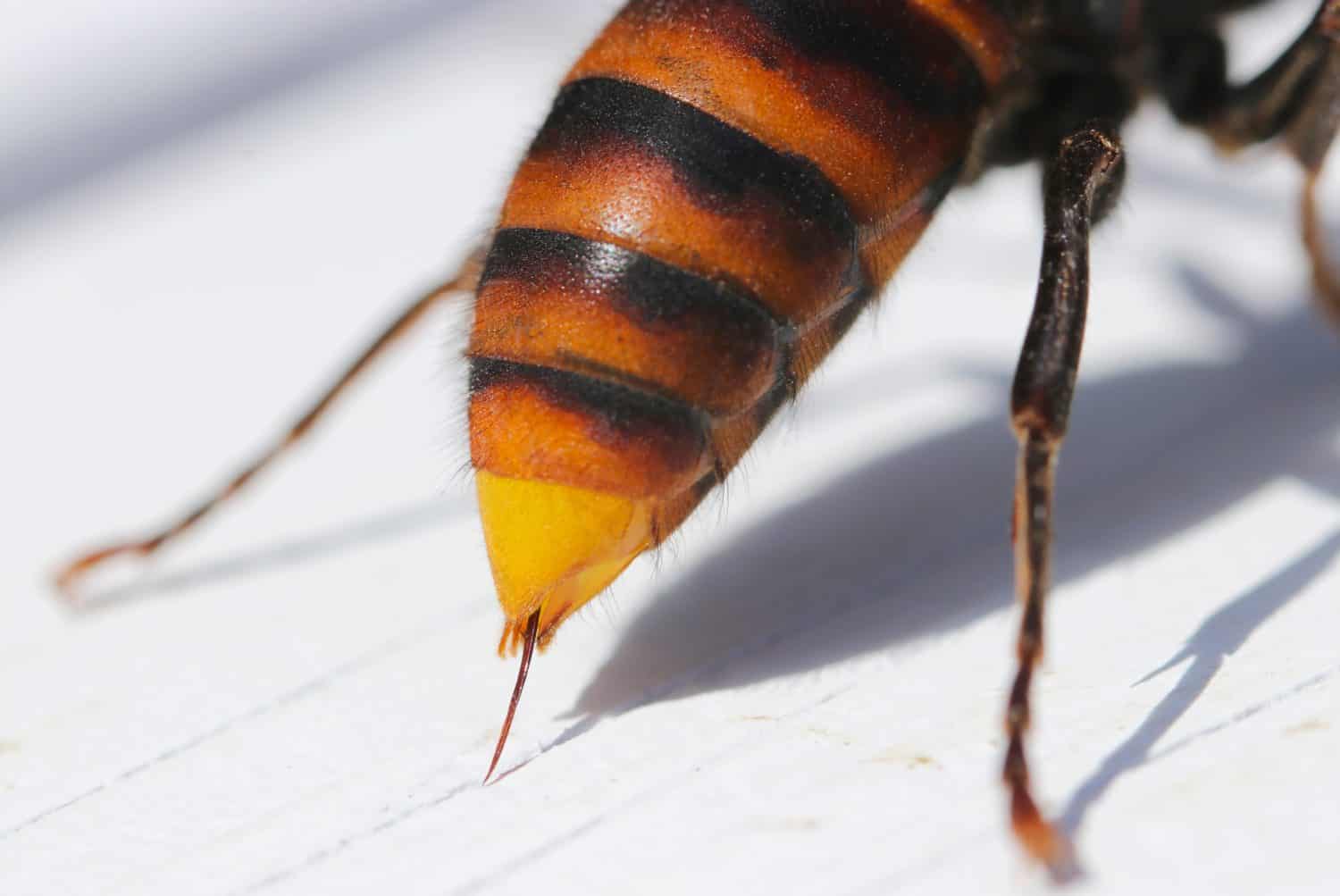
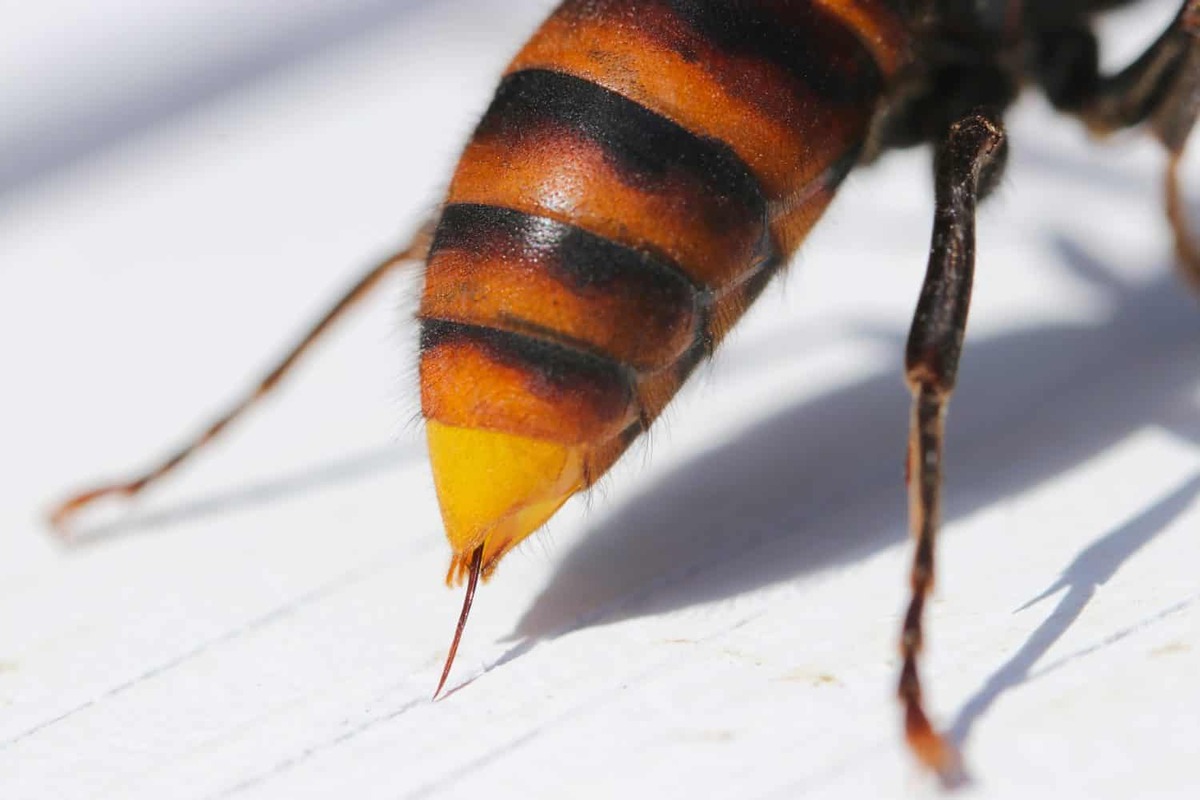
In most bees, wasps, and ants, the stinger is a tube at the rear of the body that is used for laying eggs. It’s called an ovipositor. This is why it is only the females of the species that sting. This adaptation evolved 190 million years ago.
Honey Bee Stings
There is a distinct difference between the stingers of bumblebees and those of other stinging insects. Bumblebees have a hollow, pointed stinger a little like a hypodermic needle. However, it has two rows of lancets, or saw-toothed blades.
The bee has muscles connecting the stinger to a sac containing venom. Venom is pumped through muscle contractions and passes along the hollow center of the stinger into your body.
After stinging, however, the honey bee cannot get its stinger back out because the barbs wedge it in. As the bee struggles and gets its body free, it rips off part of its abdomen and internal organs, including the venom sac. The bee dies soon after.
How Do Hornets, Wasps, Bumblebees and Ants Sting?
These insects also deliver venom through hollow stingers, but there is an important difference. The stinger is smooth and can therefore be removed. This means that they can sting repeatedly. The hornet’s stinger is longer. The pain that each insect sting causes depends on the chemical composition of the venom and the quantity delivered.
Some ants, including fire ants, attach themselves to their victims using their mandibles. This anchors them in place while they pivot their bodies and sting repeatedly in a circular pattern. None of these animals die after stinging.
What’s Behind the Different Stinger Anatomy?
It may seem strange that the honey bee would evolve to die after stinging once. This does not seem to be an advantageous adaptation at first glance. However, female honey bee workers are sterile, and there are thousands of them. Their sole purpose is to protect the colony and its queen. Having a barbed stinger means that it can continue delivering venom, therefore increasing the dose. Also, the detached stinger releases alarm pheromones that attract nearby workers to defend the hive.
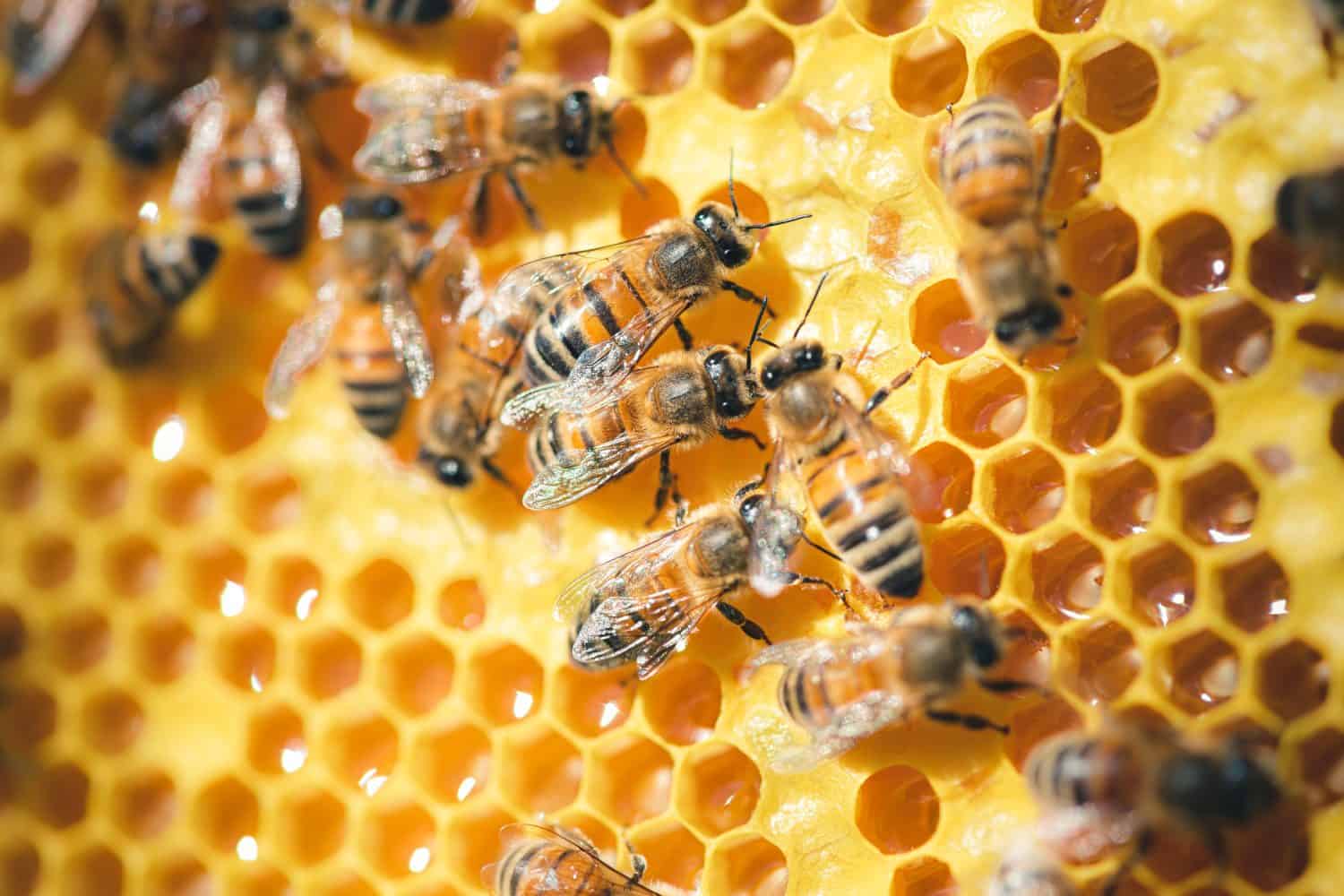
Other stinging insects have adopted a different approach. Some use their stingers both for defense and hunting. Many do not live in colonies and forage on their own, so self-sacrifice for the good of a colony is not an issue for them.
Not All Bees and Wasps Sting
It’s also important to bear in mind that not all bees sting. One of the species that’s most likely to sting you is the European honey bee (Apis mellifera). They are native to Europe and Africa, but are now found almost everywhere in the world.