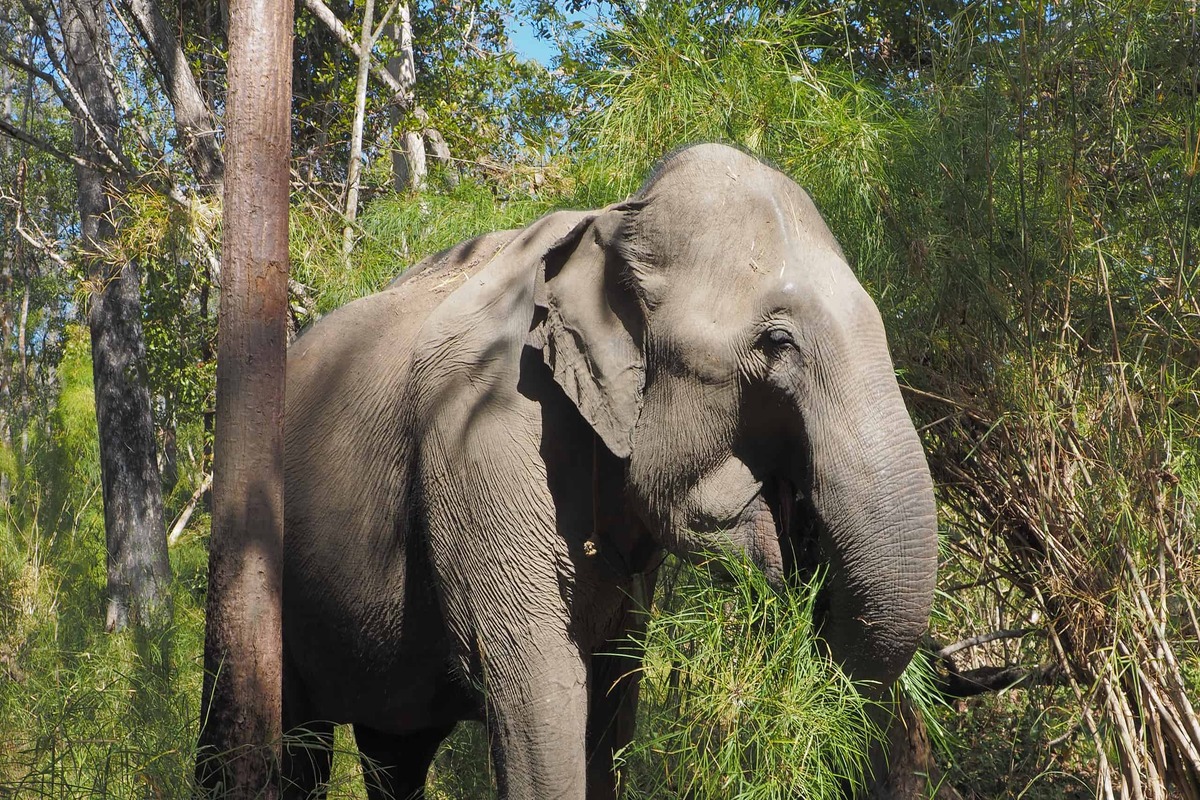
The Asian elephant can be found from western India to eastern Borneo in Southeast Asia. A total of three recognized Asian elephant subspecies exist: the Elephas maximus indicus, found across mainland Asia, the Elephas maximus sumatranus, found only on the island of Sumatra, and the Elephas maximus maximus, found only in Sri Lanka.
1. They Are One of Only Three Species of Elephant
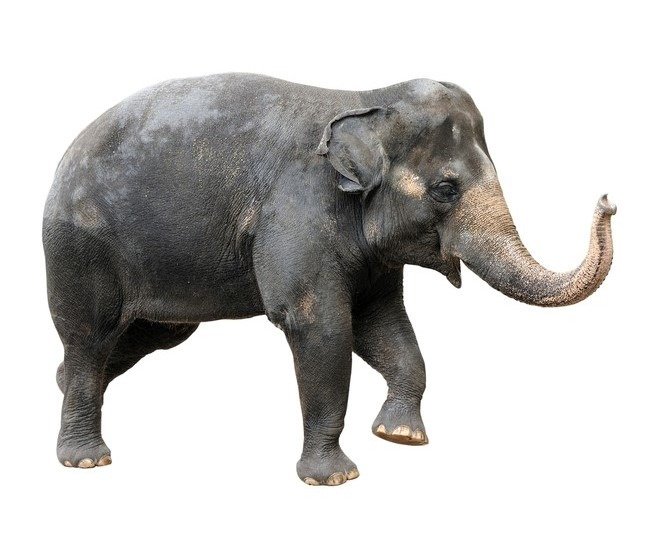
There are three types of elephants: the African forest elephant, the Asian elephant, and the African savanna (or bush) elephant. Elephants in the African savanna are larger than those in the African forest, which was classified as a separate species in 2000.
2. The Asian Elephant is an Important Cultural and Religious Icon
Once feared as lethal weapons in war, Asian elephants are now revered as symbols of peace and spirituality. In India, the elephant is considered a sacred creature. Many Hindus believe that Ganesha may help them overcome obstacles and bring them good fortune.
3. You Can Tell Asian Elephants Apart by Their Ears
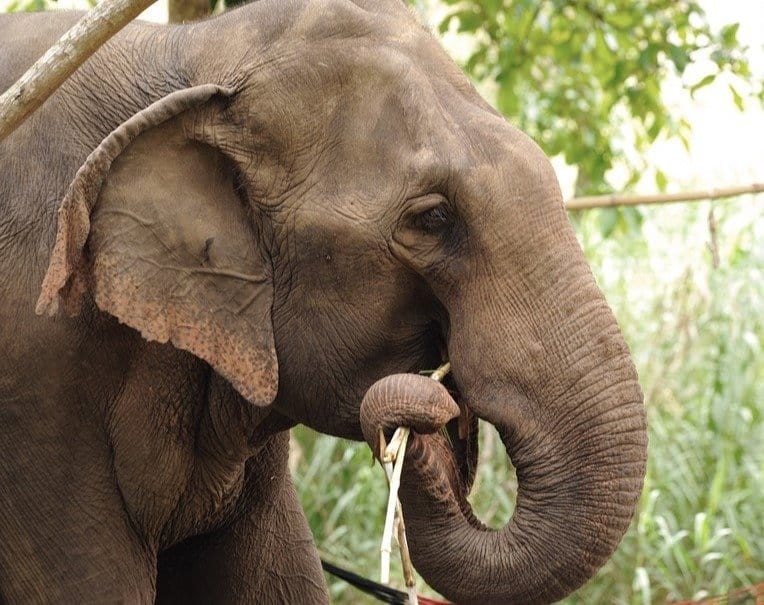
African elephant ears are far bigger than those of their ancestors and are said to take on the shape of Africa. Asian elephant ears are fashioned like the Indian subcontinent. The trunks of African and Asian elephants differ in several ways, including the number and position of the “fingers” at the ends of the two species’ trunks.
4. Their Trunks Are Amazing and Very Important in Their Daily Life
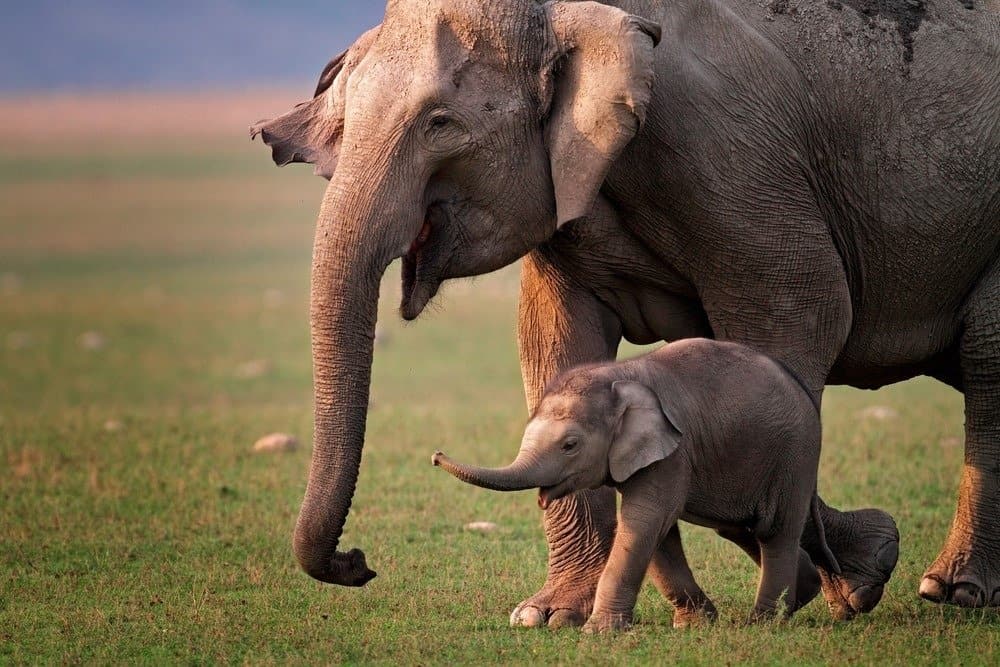
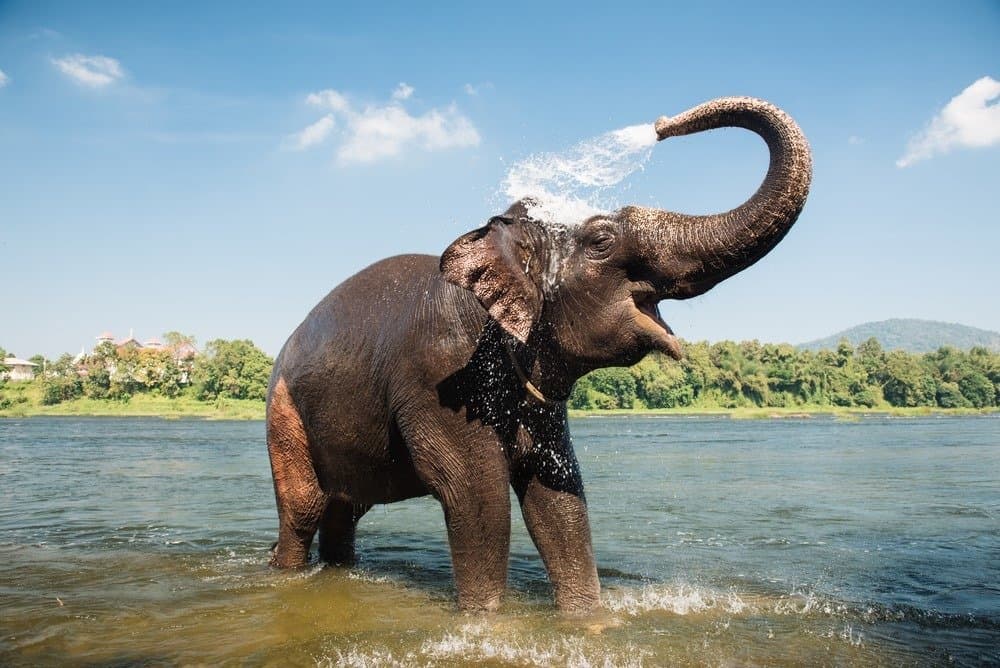
About 150,000 individual muscle cells make up an elephant’s trunk. The trunks of Asian elephants are highly sensitive and play a crucial role in their daily activities.
5. Their Tusks Are Actually Their Teeth
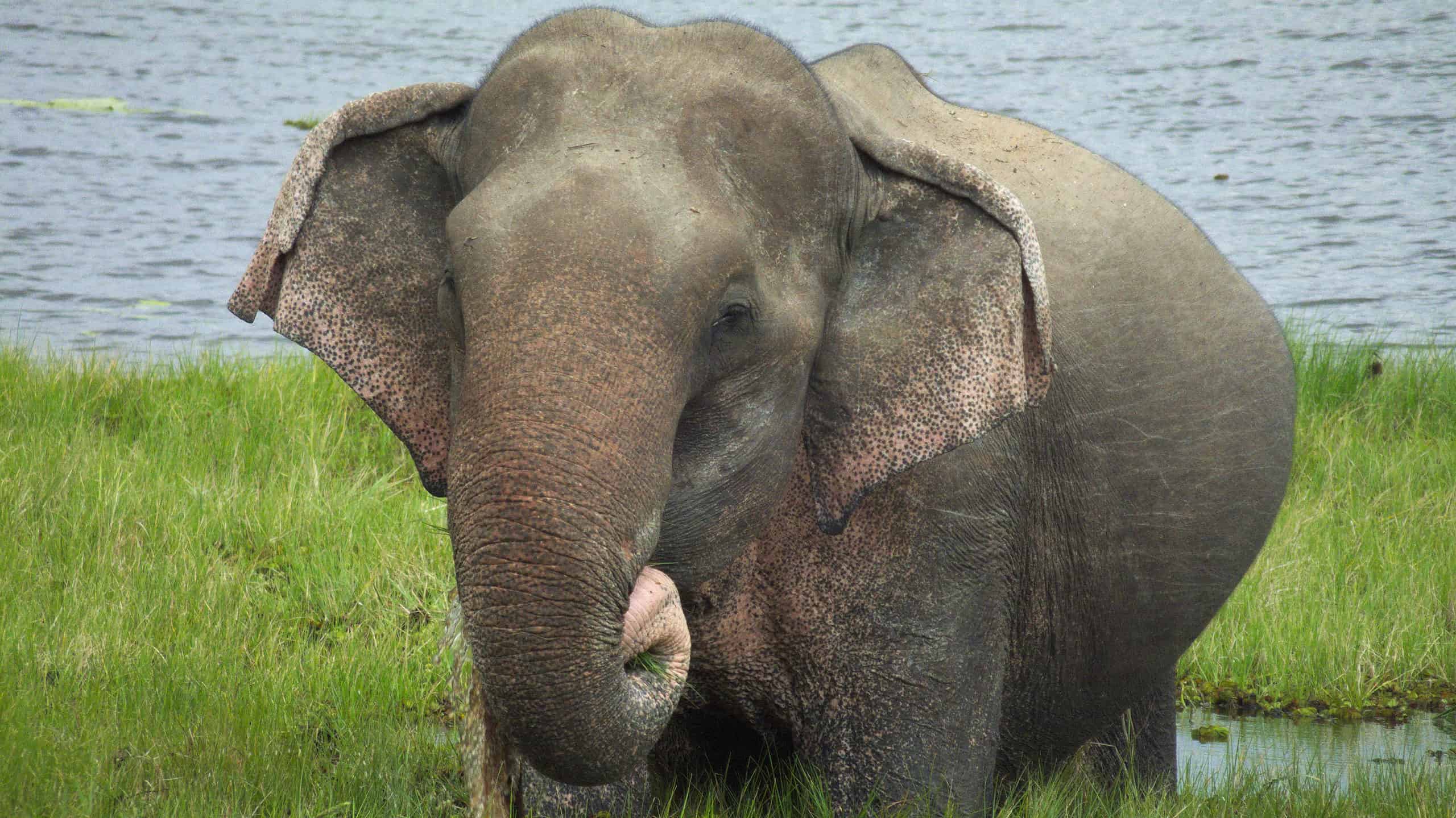
Tusks first appear in elephants at age two and are simply enlarged incisors. The growth of a tusk continues throughout an elephant’s life. Tusks have many uses, such as a weapon in combat and a tool for foraging for food (by stripping bark or digging up roots, respectively).