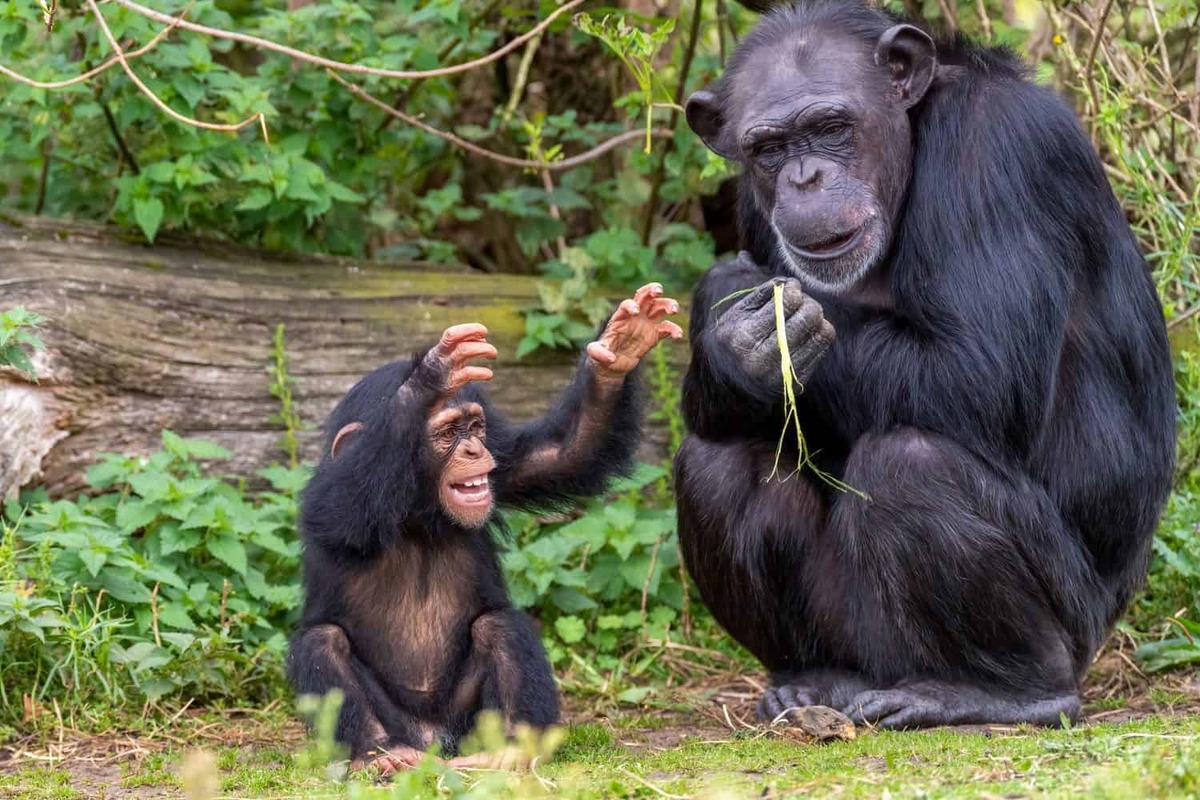
Goodall worked with countless primates during her career, but there were some with whom she had a closer bond than others. An example of this is a chimp who gave such a pure, loving hug to Goodall that it brings tears to one’s eyes. Had Goodall not changed how animals are both observed and treated in the field of animal research, there is a good chance that far less would be known about primates, their social structures, and their complex emotions.
An Emotional Farewell
Jane Goddall passed away at the age of 91 on October 2, 2025. Since that time, Goodall has been remembered for her groundbreaking research with primates. More often than not, it is stories of how she changed the field of animal research forever, with her empathic approach to observation and research.
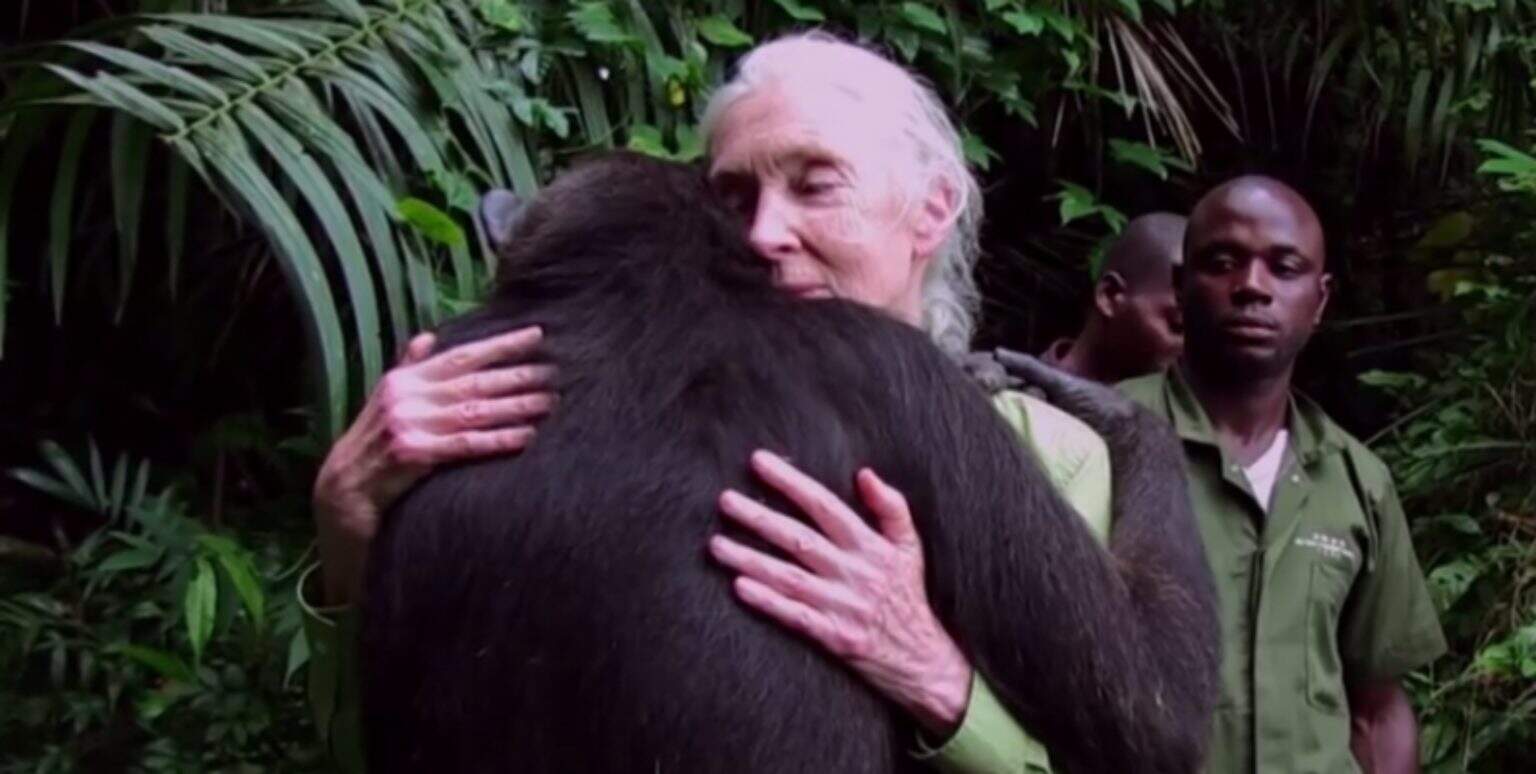
A prime example of the success Goodall achieved during her lifetime is an Instagram video showing a chimpanzee being set free. While it is not disclosed where the chimp is being freed, there is a clear bond between Goodall and the chimpanzee that cannot be denied, as evidenced by the chimpanzee’s lack of desire to run away immediately.
The video shows a large crate in the jungle carrying a single chimpanzee. The door to the cage opens, and the chimpanzee is again able to taste freedom. However, instead of running away and not looking back, the chimpanzee turns to give a brief embrace to one of the team researchers before jumping onto the crate.
Goodall does not reach for the chimpanzee, likely to encourage it to return to the jungle. The chimpanzee, however, has other ideas and walks over to Goodall to hug her. This is not a short embrace. It is one that clearly shows how close Goodall and the chimpanzee have become and underscores the emotional intelligence chimpanzees possess.
Jane Goodall Was an Acclaimed Primatologist
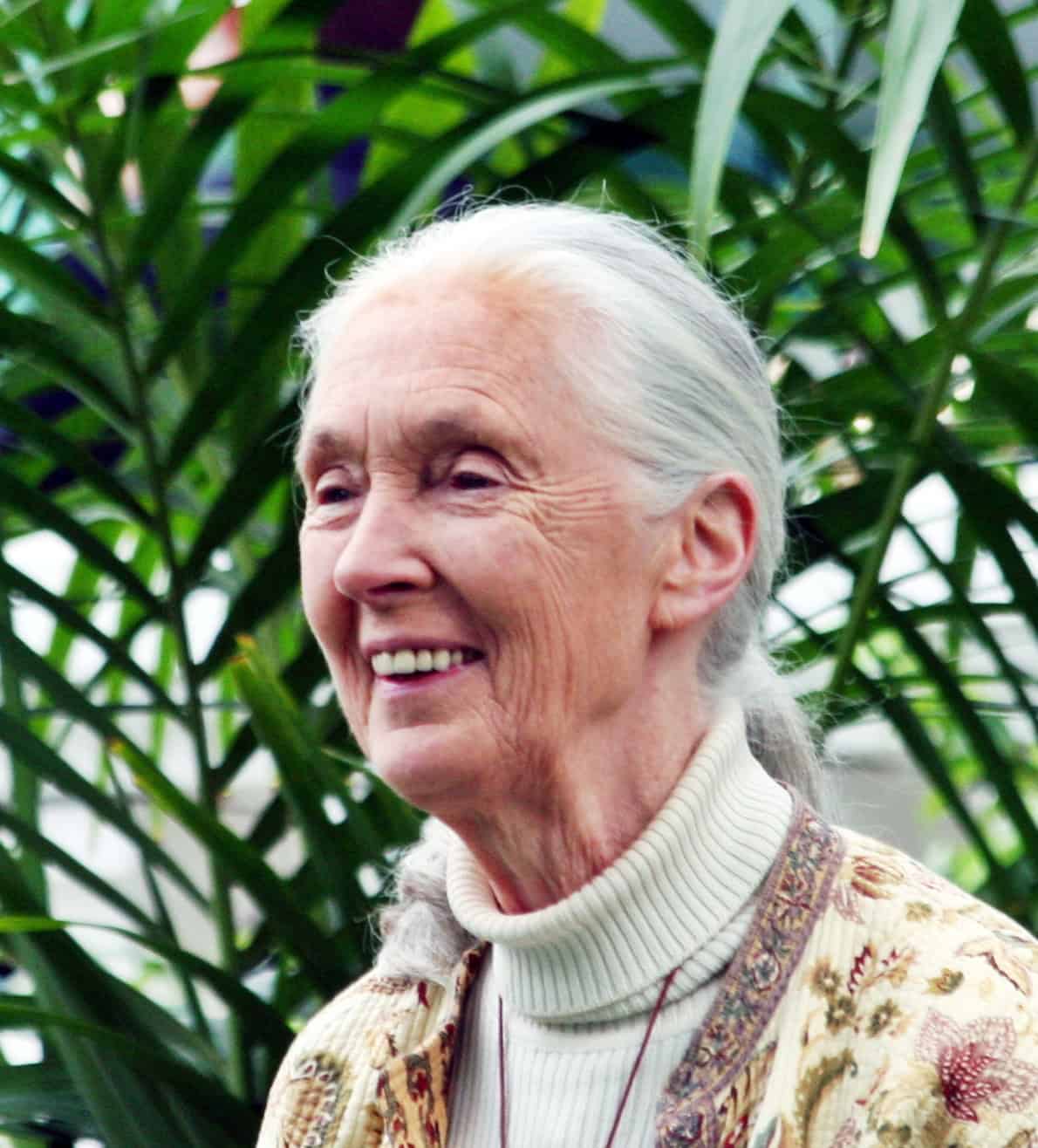
Goodall was an innovator in the field of animal research. What is most interesting is that when Goodall began to study chimpanzees, she did not have a degree in animal science. It was not until she went to Cambridge in 1962 that she earned her PhD, something that was accomplished without ever earning a bachelor’s degree.
While not considered the appropriate method for observation today, Goodall observed chimpanzees by becoming part of their environment. She gave the primates names rather than numbers, which enabled her to adopt an empathetic observational approach to the chimpanzees.
What was not known before Goodall began to study chimps was that, like humans, they had a complex social structure. They also had emotional depth that rivaled that of humans. No longer were humans seen as the only creatures capable of having complex emotions.
This research approach also positively affected the conservation and welfare of chimpanzees and other animals. No longer were animals seen as creatures who were incapable of understanding what was happening to them. They were seen as having emotions that enabled them to experience joy, grief, and everything in between.
The Emotional Life of Chimpanzees
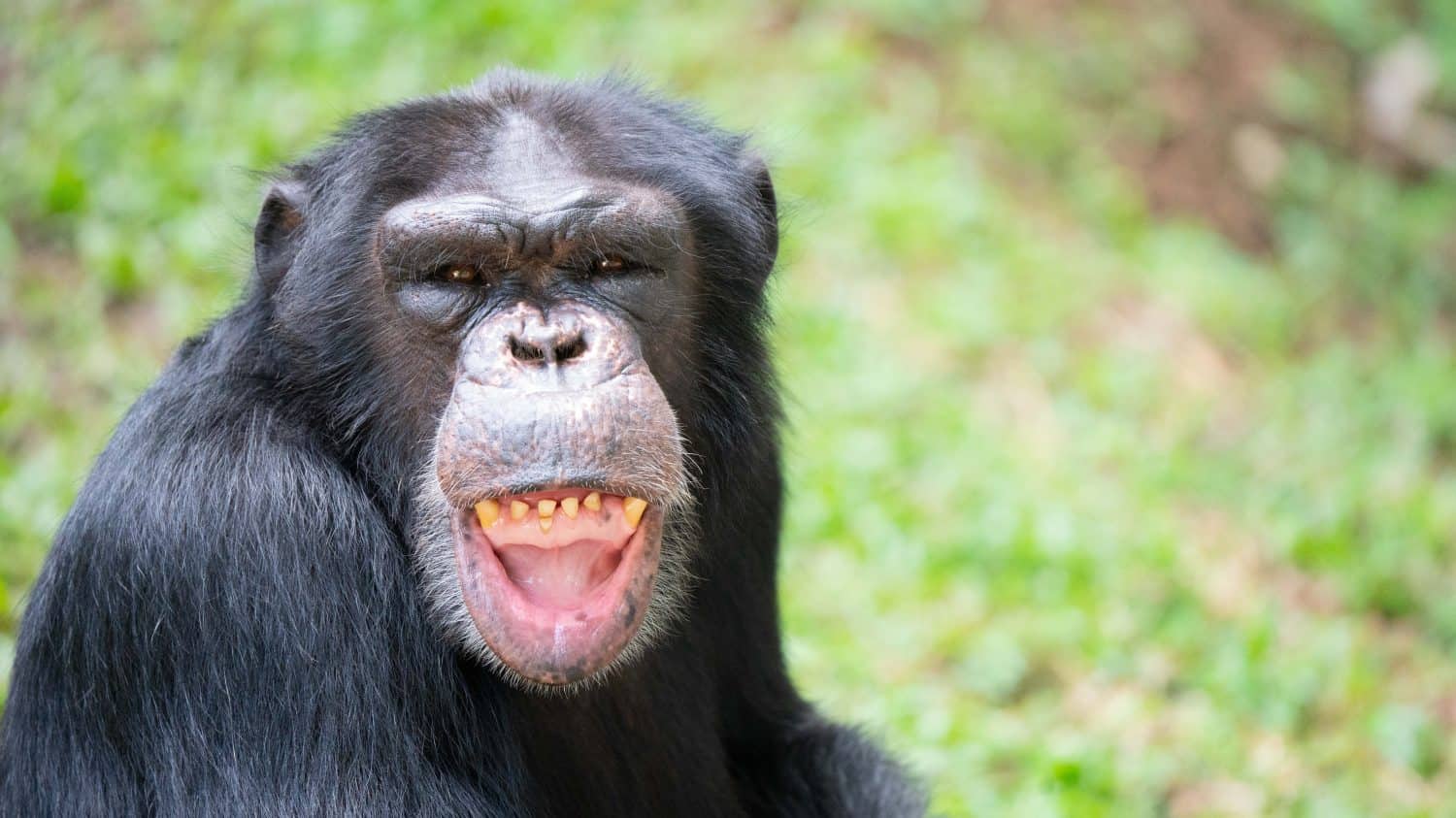
Chimpanzees are capable of having a variety of emotions. While they may not express them in the same way humans do, the primates have been observed experiencing feelings in both happy and sad situations.
Chimpanzees Are Capable Of Recognizing Faces
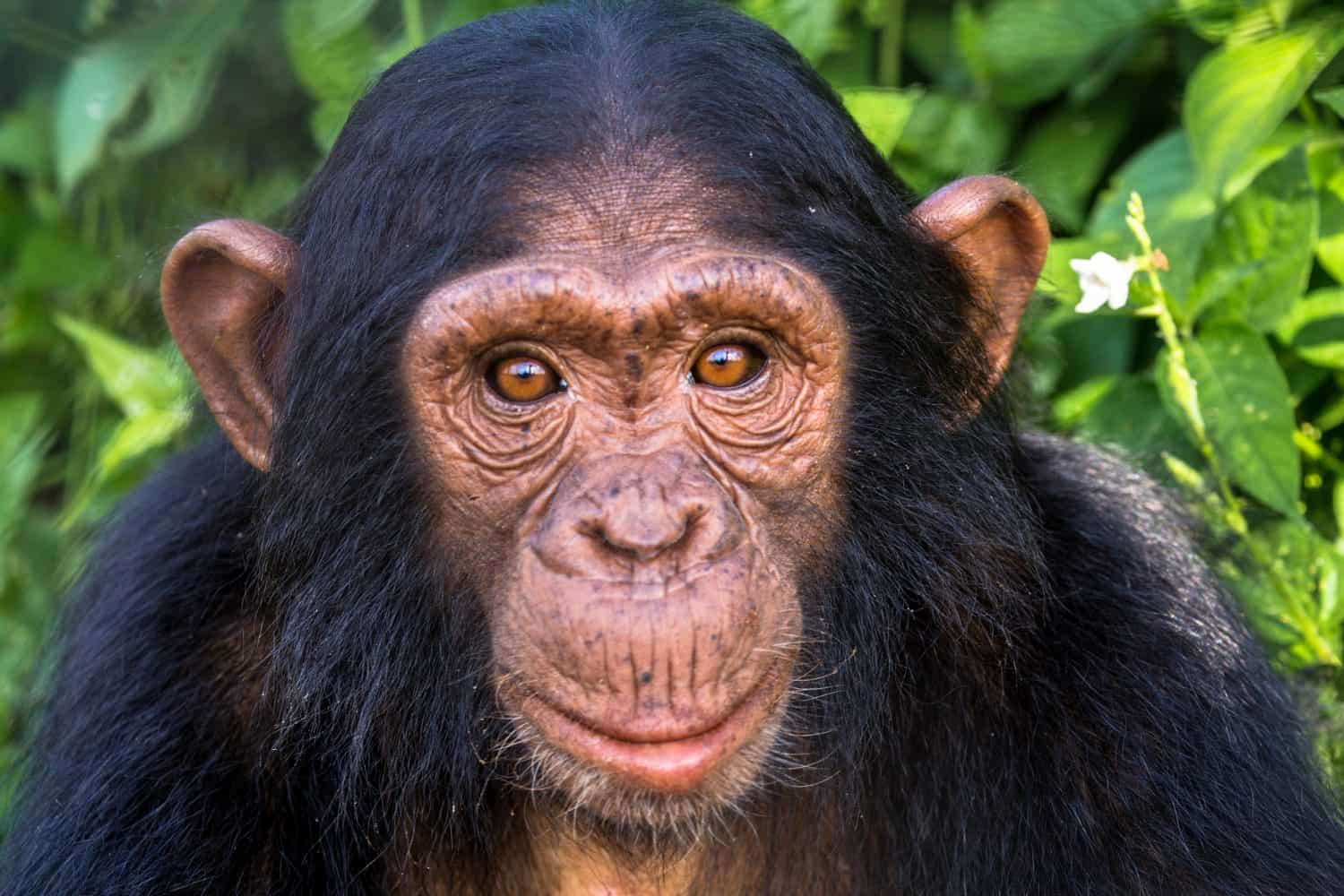
Like humans who can recognize a person after not seeing them for a long time, chimpanzees can do the same. This process is known as social memory.
According to a 2023 study published in PNAS, chimpanzees not only recognized those they had interacted with in the previous few months or even years, but also recognized those they had been around 26 years prior. This set a record previously held by dolphins, in which they recognized a voice call from a dolphin they had been close to 20 years earlier.
Chimpanzees recognized others based on their unique facial color patterns. This ability to remember family members and others who were part of the community helps maintain the social hierarchy. Chimps have complex social structures, as Goodall recognized decades ago, so there must be a way to recall who has power in a community. There is a linear hierarchy with an alpha male at the top with the most power.
What is most interesting about the study is that chimpanzees preferred to take longer looks at those chimps with whom they had a good relationship, rather than those with whom they did not.
Chimpanzee Attachment Differs From Humans
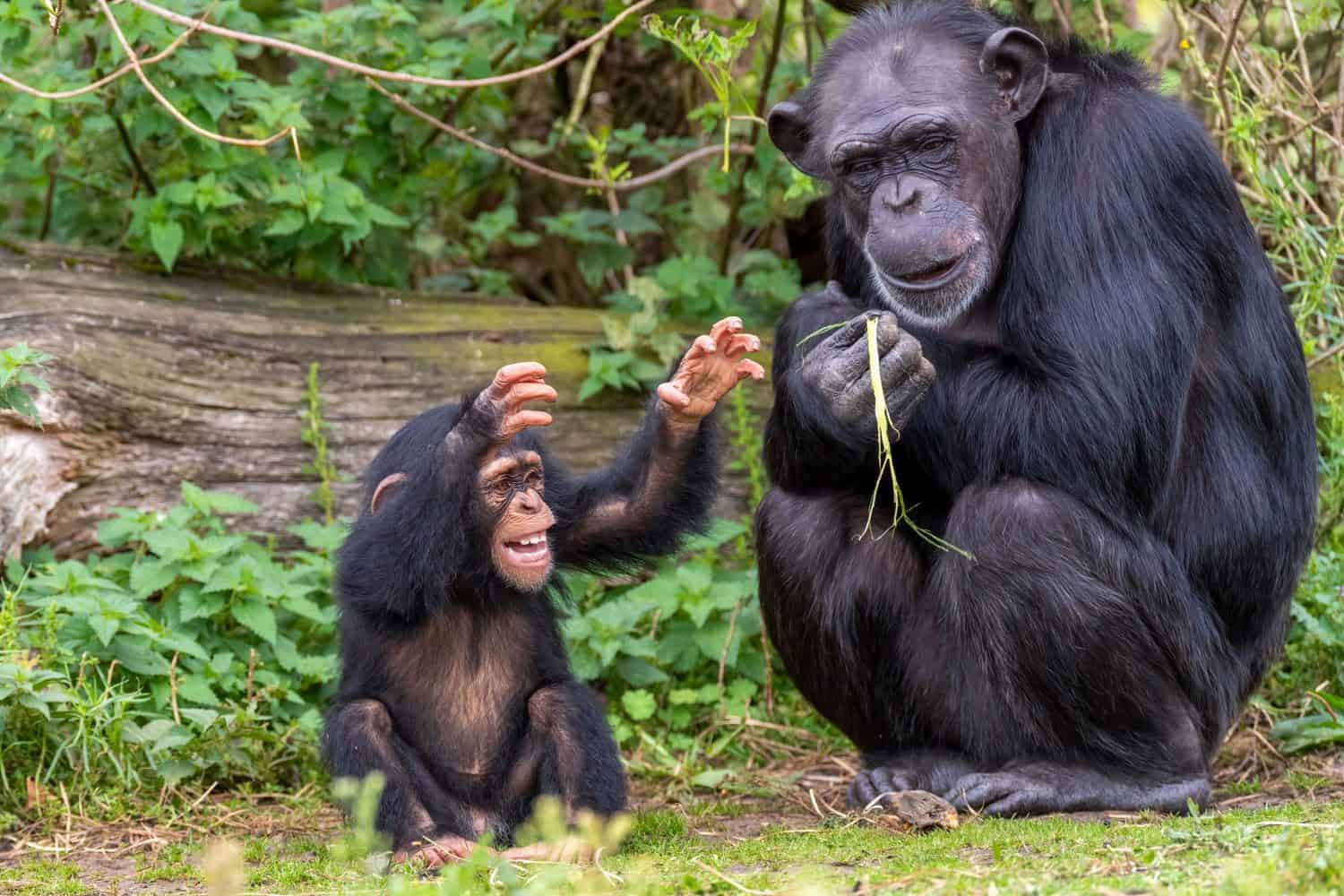
Chimpanzee attachment to one another is both similar to and dissimilar from the attachment bonds humans make. Like humans, chimps have both secure and insecure-avoidant attachment bonds
Chimpanzees Can Form Bonds With Humans
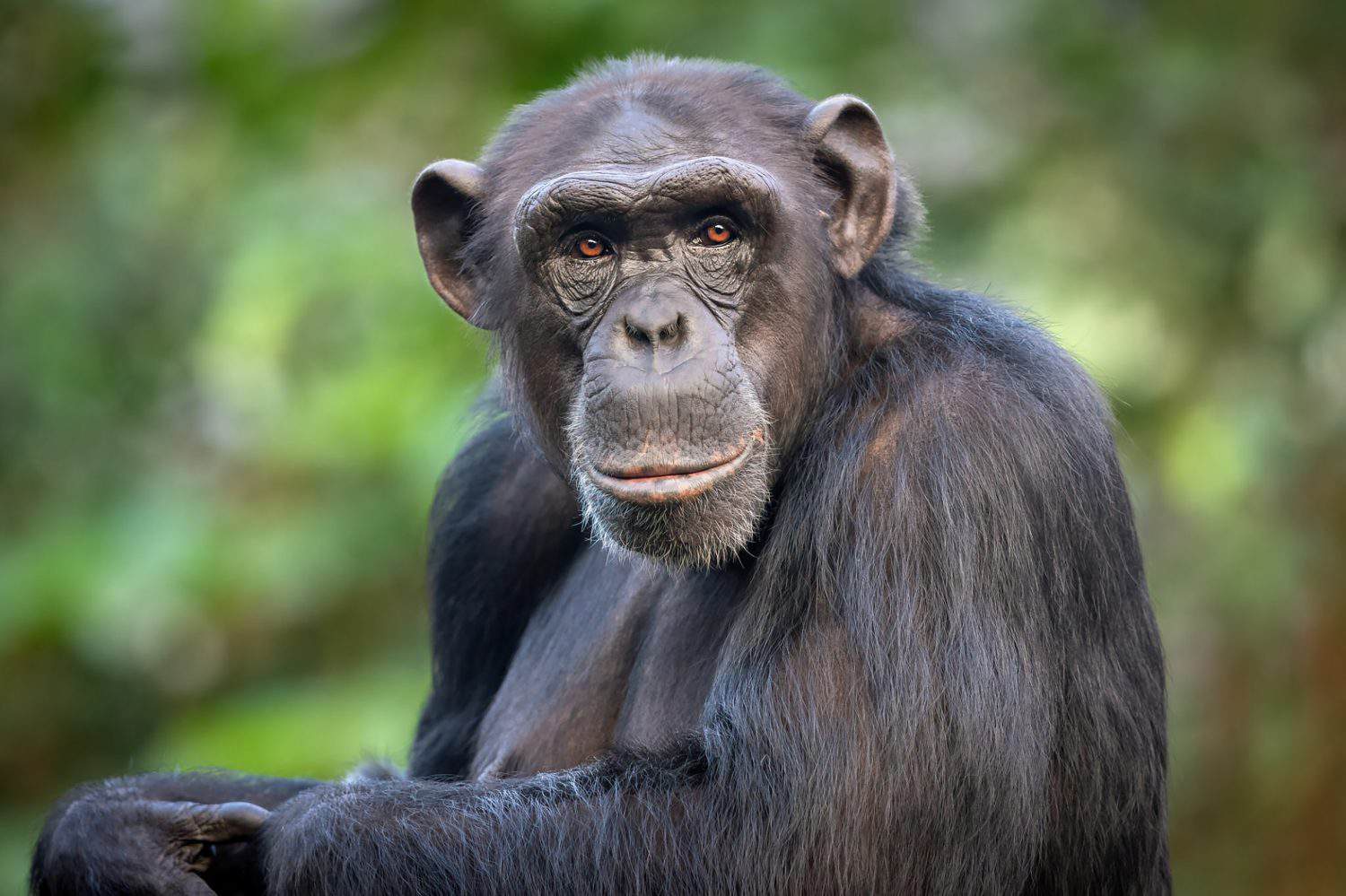
Through her research, Goodall demonstrated that chimpanzees could form bonds with humans. This was first illustrated in 1964, when her husband took a picture of Goodall
While both scientists and the Jane Goodall Institute no longer endorse coming in such close proximity to chimpanzees, or any other wildlife, for that matter, Goodall used groundbreaking techniques to gain knowledge about chimpanzees.
More recently, a 2019 study published in Proceedings of the Royal Society B illustrated the bond that chimpanzees and people can have via shared experiences. The study had people and chimps watch a video of baby chimpanzees together. The chimpanzees were then allowed to approach the stranger they had watched the video with.
People who have shared experiences are more likely to interact and bond with others than with those who have no common ground. The same can be said for chimpanzees and interactions with humans.