Rattlesnakes are one of the most feared species of snakes. On the one hand, it makes sense, because about 800 people in the United States get bitten by these venomous pit vipers every year. But on the other hand, out of all those bitten, all but about a dozen make a full recovery in days or weeks. Rattlesnakes have an extremely effective warning system, though: that buzzing rattle is enough to rattle anyone!
Colorado has several species of rattlesnakes. In this article, we compare snake species to help you recognize them, suggest ways to avoid encounters with them, and go over some basic first aid. You’ll want to read that part carefully, as the current best practices in treating rattlesnake bites aren’t what you might have seen in old Westerns.
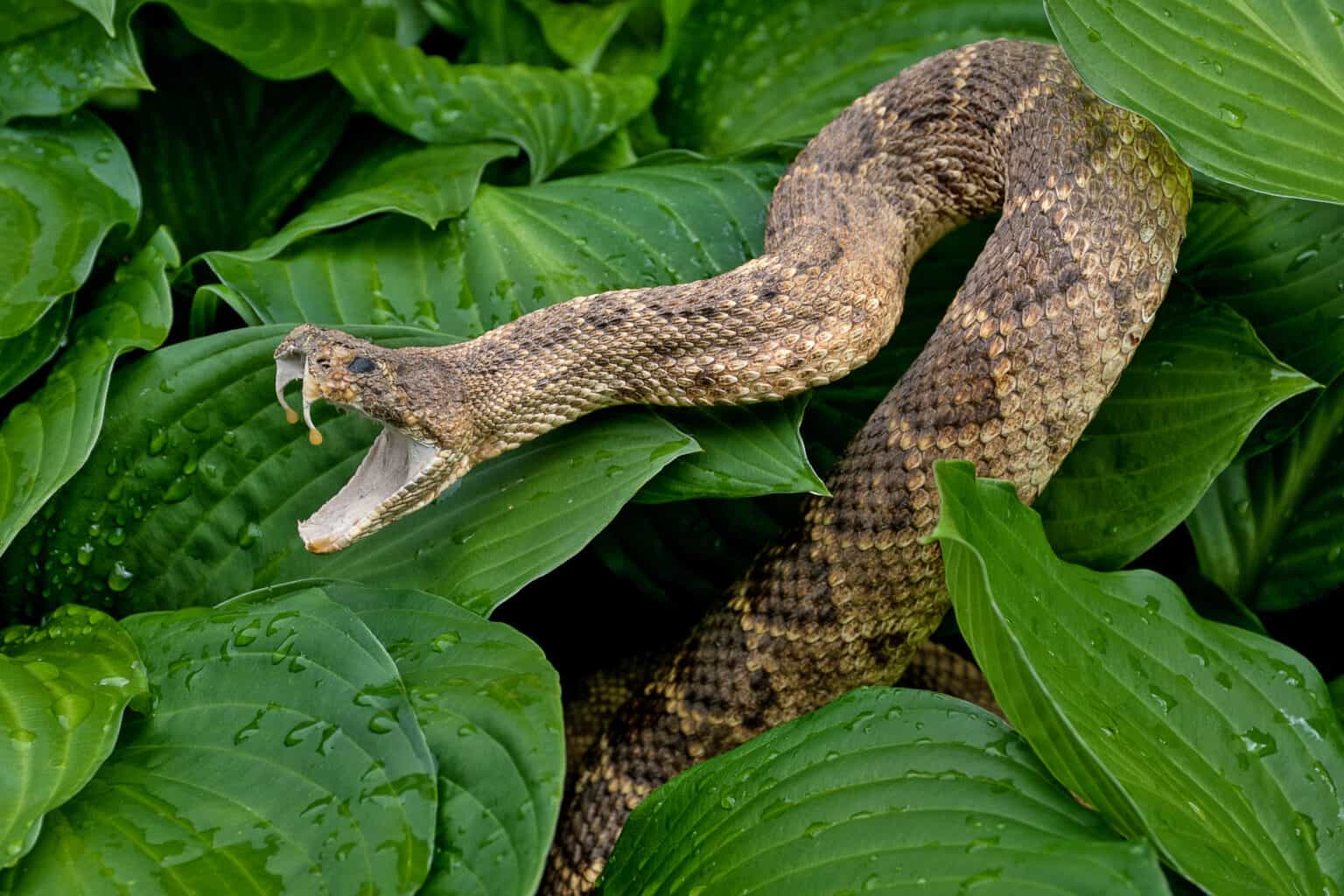
Rattlesnake Habitat and Behavior?
Rattlesnakes live all over North America in a variety of climates. They’re extremely adaptable, and really just require a few things to thrive. First off, they need a source of small animals, usually rodents, for food. Rabbits, mice, rats, prairie dogs, squirrels, chipmunks: anything like that will work. Like all reptiles, rattlesnakes are cold-blooded. This means they cannot maintain a constant body temperature themselves, from the interior, but regulate their temperature based on their external environment.
Although they are usually solitary predators, in the winter they sometimes share a burrow with other snakes or reptiles that aren’t even of the same species. They seem to have a truce with these potential enemies or food sources so they can benefit from some shared warmth.
Why is Colorado Heaven for Rattlesnakes?
All of this makes Colorado an ideal environment for several species of rattlesnakes. Rattlesnake Season in Colorado is from early spring to mid-fall, but people spot them at other times of the year on a pretty regular basis as well. The state’s different climate zones, with high precipitation areas and more arid areas, and its prairie, river, and mountain habitats offer a wide variety of living conditions and support a lot of diverse wildlife that can potentially make a meal for a rattlesnake.

How Can You Recognize a Rattlesnake?
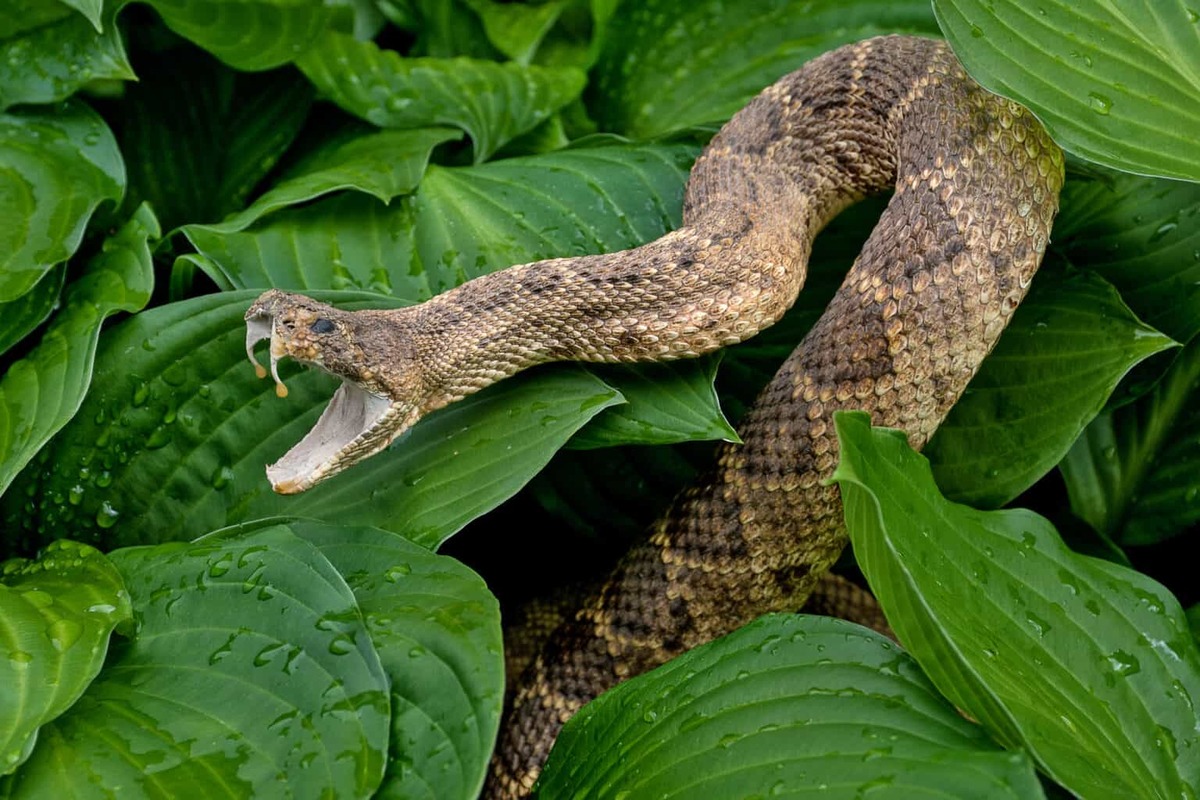
Some of the characteristics you can look for if you see a random snake and wonder if it is a rattlesnake are these: a large, triangular head, vertical pupils, a thick, heavy body, coloration in earth tones in shades of brown, grey, or black.
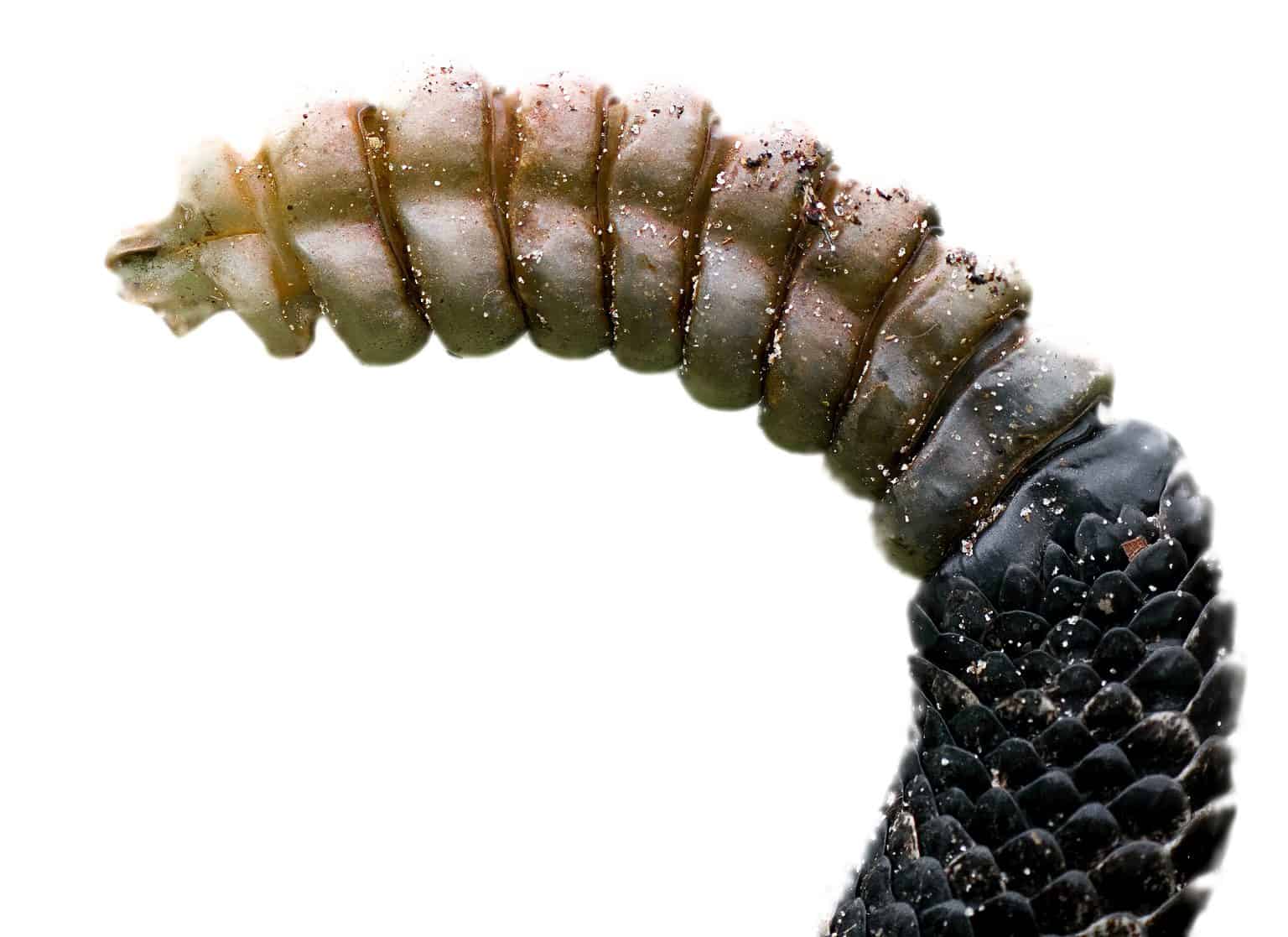
Baby rattlesnakes are born live, not from eggs, and they are venomous from birth. However, they will have just a button at the end of their tail for their first rattle, and a new segment of the rattle will be added each time they shed their skin, up to eight to 10 segments. So, if you find a very small snake and don’t see a rattle, it could still be a highly venomous baby rattlesnake just faking you out.
What Kinds of Rattlesnakes Live in Colorado?
There are 29 different species of snakes living in Colorado. Three of them are rattlesnakes. The time of year they are most active is in early spring through mid-fall, although depending on the weather and where you are in the state, you might see them any time of the year. Remember that rattlesnakes do not completely hibernate in the winter. They may emerge on a sunny day to warm themselves or to take advantage of an opportunity to catch some food. They are most aggressive when they emerge from their burrows in spring and early summer, hungry and cranky.
Prairie Rattlesnake
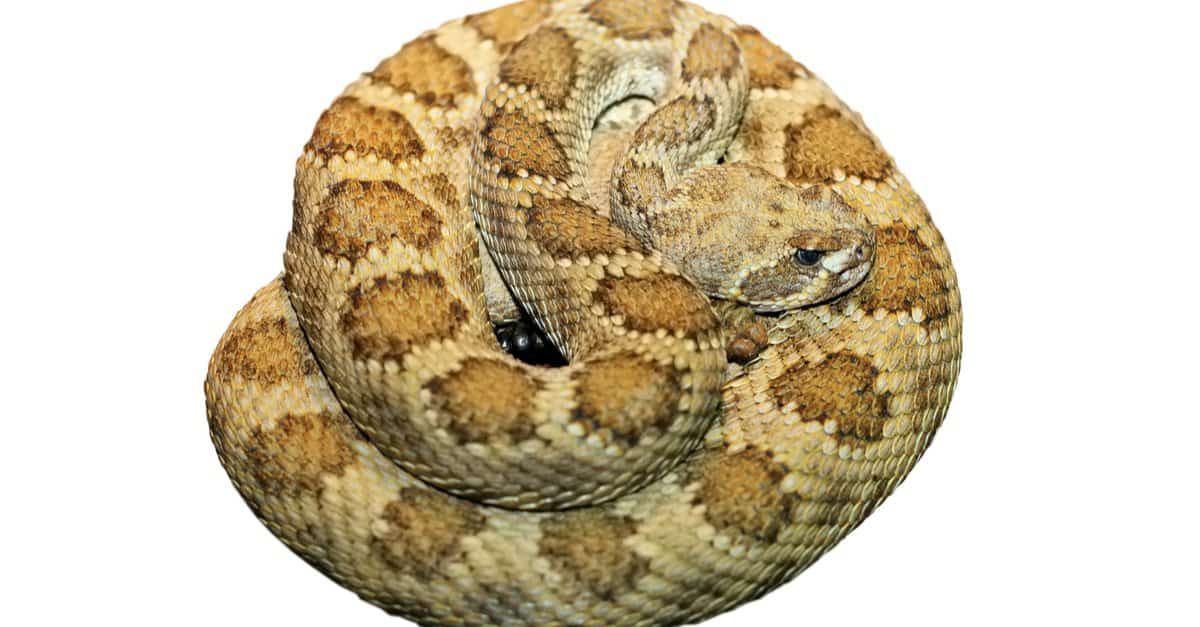
Prairie rattlesnakes live in the central plains’ region of the United States and Canada in prairie and wooded mountain habitats. They get to be 3-4 feet long and have a greenish tinge mixed with gray or brown. Some can be light brown or yellow. One of the prey species of the prairie rattlesnake is the prairie dog. After a rattlesnake has cleared out a system of prairie dog tunnels it may continue to live there and raise its young.
Massasauga Rattlesnake
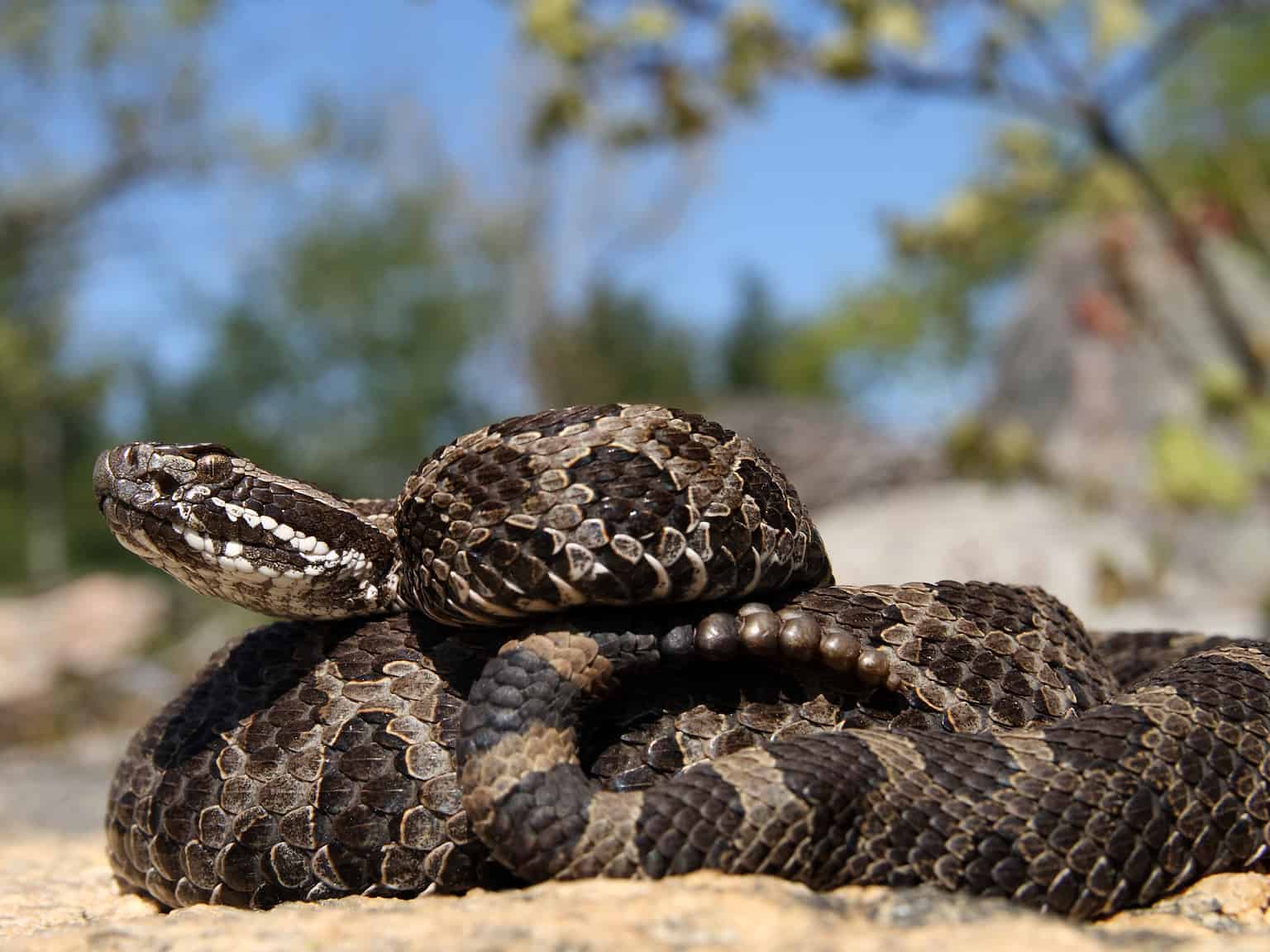
The massasauga rattlesnake has grey or tan coloration with brown or black spots down the center of their back and smaller spots on their sides. They prefer to live in wetlands along the shores of rivers and lakes.
Midget Faded Rattlesnake
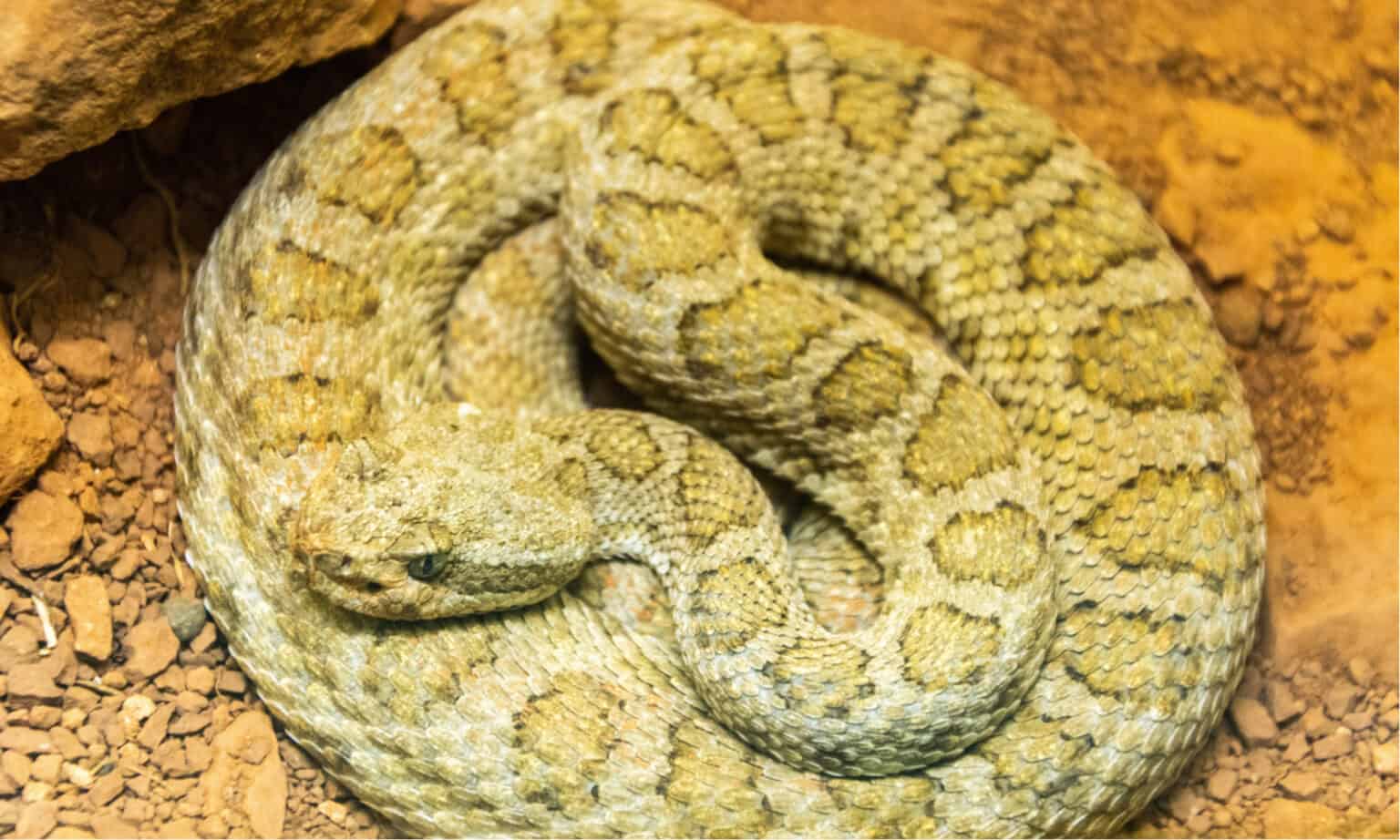
The midget faded rattlesnake is only about two feet long and has a light color without very pronounced patterns. It lives mainly in rocky canyon areas. Its venom is one of the most toxic of any North American snake – even more toxic than a cobra.
About Rattlesnake Bites
Rattlesnakes prefer to get away, but if they feel cornered or threatened, they will give a warning with their rattle. If that doesn’t work, they bite. They can strike out about 2/3 of their body length. They have fangs that fold back so that they don’t bite themselves when they close their mouths. The fangs are hollow and the snake can decide whether or not to inject venom.
About 25 percent of bites are “dry” (non-venomous) bites. However, even those kinds of bites can make a bad wound and introduce some trace toxins that interfere with blood clotting in the wound and can cause the victim to experience shock.
How to Avoid and Survive a Rattlesnake Bite
Most rattlesnake bites happen when someone accidentally steps on or near the snake, or when they deliberately try to handle it or kill it. So, if you make noise when you walk to scare them off and go the other way if you see one, half the battle is done. Here are some other ideas to help you avoid getting bitten during rattlesnake season in Colorado:
Avoiding a Rattlesnake Bite
- Don’t try to pick up, poke at, or kill a rattlesnake. If it needs catchin’ or killin’ call the professionals.
- Stay on-trail. Wandering through tall grass is inviting trouble.
- Place your hands and feet where you can see them.
- Don’t walk when it’s dark, when snakes may be hunting.
- Protect your feet and legs with long pants and closed shoes.
- Make some noise when walking – rustle leaves, take heavy steps – so snakes and other creatures know you’re coming and get out of the way.
- If you listen to headphones while walking, keep them turned low enough to hear rattling sounds.
- When camping, shake out your sleeping bag, clothes, and shoes before using them. Snakes may be attracted to residual body heat.
- If you’re moving a rock or log at your campsite, roll it towards you. This gives anything underneath the opportunity to flee.