Sometimes when new neighbors move in, you go over and introduce yourself. Other times, you just pull the blinds and mind your own business. Across the country, wild species are increasingly sharing space in human communities, and some of them fall much more in the second category. Though these surprise visitors may thrill some, they unsettle the majority of people. They also raise big questions about how we choose to live with creatures that refuse to abide by boundaries and instead come right into your yard.
Coyotes (Canis latrans)
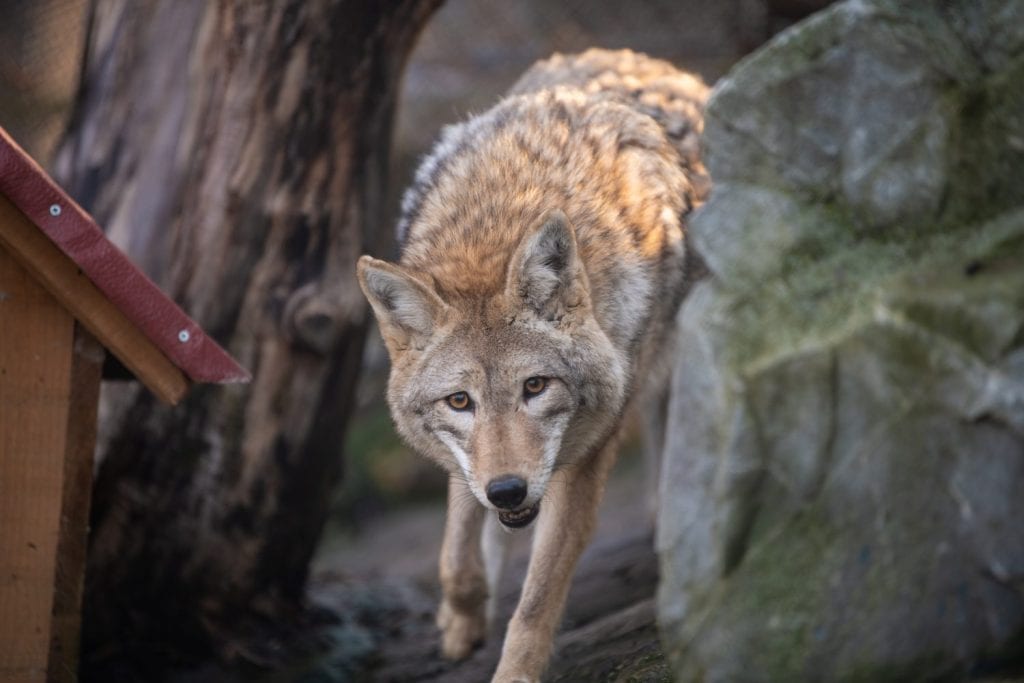
Coyotes now live in 49 states. They have even set up shop in major cities, trotting through greenbelts, drainage ditches, and rail lines like secret highways. They thrive near people because our neighborhoods supply rodents, rabbits, fruit trees, pet food, and overflowing trash cans. All of this creates a coyote buffet. To avoid traffic and people, they mostly switch to night shifts. They howl from wooded lots or slip between backyards when lights go out. Most of the time coyotes ignore humans, though they may at times go after unleashed pets or outdoor cats, especially where people intentionally feed wildlife and teach coyotes that yards equal easy meals.
Wildlife agencies stress that the best way to keep coyotes shy is to remove food sources and keep pets supervised. They also encourage people to “haze” bold animals by yelling, waving arms, or spraying water so coyotes remember that people are not worth approaching. Hunting coyotes can backfire spectacularly if the goal is to reduce their numbers. In stable packs, there is one breeding pair. If one of them gets killed, it can cause lower-ranked females to start breeding to fill the gap, resulting in larger coyote populations.
Coyote populations can explode if one of the members of the dominant breeding pair of a pack is killed.
Red Foxes (Vulpes vulpes)
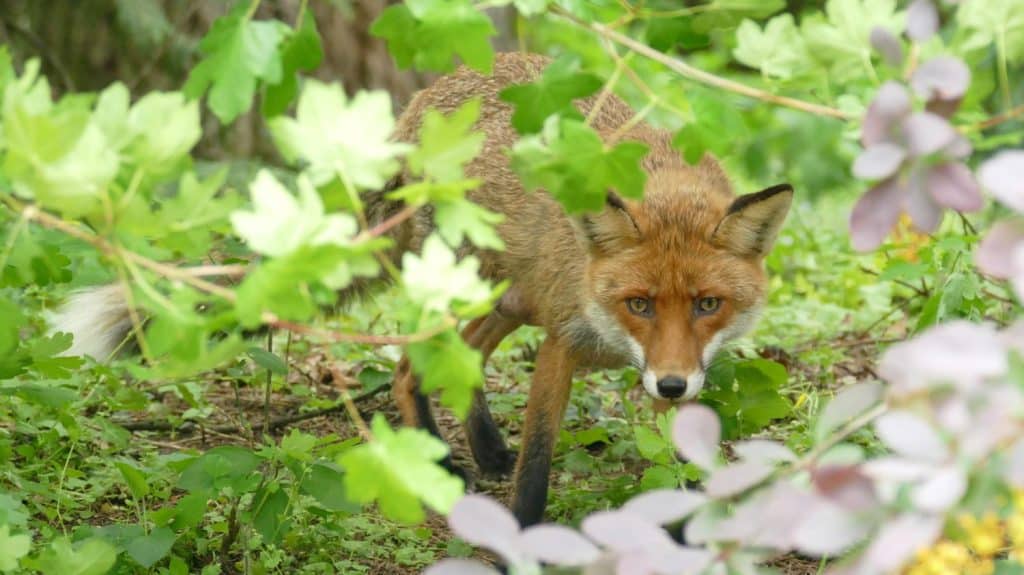
Red foxes move through the same edge spaces as coyotes but being smaller in size, they stir less fear and controversy. In many suburbs they raise families under sheds, in overgrown corners, or along railroad embankments. They hunt mice, rats, rabbits, and insects that thrive in lawns and vacant lots. Homeowners often first notice them at dawn or dusk, when a fox trots down the sidewalk with a mouse in its jaws. Many people also hear kits squealing under a deck
Red foxes are useful for controlling rodent populations.
Foxes occasionally take backyard chickens or unsupervised small pets. However, biologists find that most of their diet in developed areas comes from wild prey and human leftovers, not dogs and cats. Their presence can actually help control rodent problems that come with dense human living. That benefit only holds if people resist the urge to treat foxes like outdoor pets, because handouts can make foxes bolder and more likely to cross paths with nervous neighbors.
Raccoons (Procyon lotor)
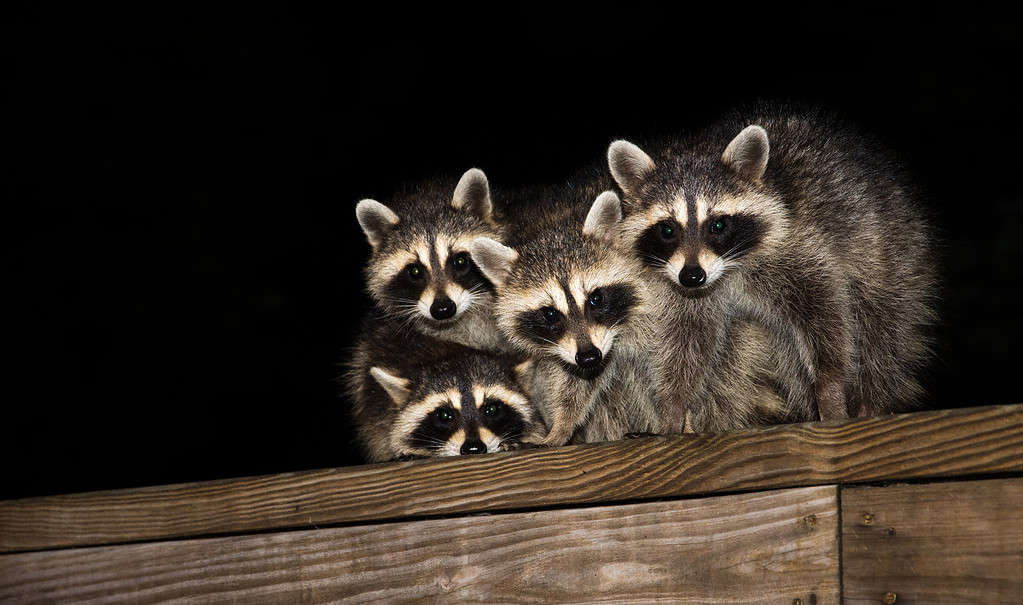
Raccoons might be the ultimate urban opportunists. They pry open trash cans, slip through pet doors, and nest in chimneys. Studies show that city raccoons solve complicated puzzles to reach food. They can unlatch containers or undo bungee cords meant to hold lids shut. They favor neighborhoods with plenty of cover, such as shrubs, storm drains, and old buildings. These hiding places let them sleep during the day and search for food at night. Their cleverness makes them both entertaining and frustrating; they may shred insulation in attics or scatter garbage across driveways. Health officials warn that in some areas raccoons can carry parasites and diseases like rabies and raccoon roundworm.
Raccoons are highly intelligent and have dextrous paws that enable them to open latches and get into sealed garbage.
Experts recommend closing off attic entrances and securing trash with tight-fitting lids. They also suggest feeding pets indoors and calling professionals rather than trapping raccoons yourself. These simple steps make yards less attractive. At the same time, they avoid harming animals that simply do what they evolved to do—take advantage of easy calories.
Black Bears (Ursus americanus)
In forested regions, black bears increasingly treat neighborhoods as extensions of their natural range. This pattern shows up especially in foothill towns and cabin communities. Bears rely more on their noses than on fear of people. A single unlatched trash can or bird feeder can draw them back night after night. Biologists have documented urban bears that learn trash pickup schedules and make regular rounds like oversized garbage collectors. Once a bear learns that porches and garages contain food, it may break into cars, sheds, or even kitchens. These break-ins raise real safety concerns and often lead managers to relocate or kill the bear.
Wildlife agencies urge residents in bear country to store trash in sturdy containers and bring in bird feeders when bears stay active. They also advise people to clean grills and never intentionally feed bears, even for a photo. The saying “a fed bear is a dead bear” reflects a pattern. Food‑conditioned bears almost always get into trouble, and that often means they get put down by wildlife officials or hunters.
Mountain Lions (Puma concolor)
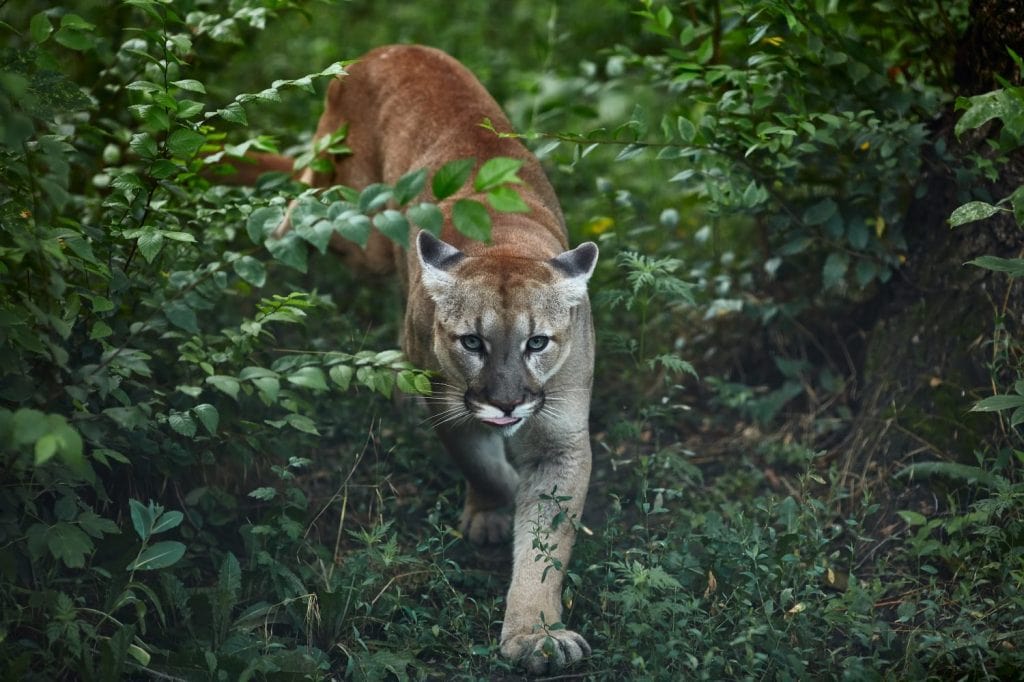
Mountain lions are beautiful, secretive, and dangerous predators.
Mountain lions, also called cougars or pumas, behave far more secretly than coyotes or foxes. In the western U.S., as suburbs spread into foothills, their territories increasingly overlap with human spaces. These big cats rely mostly on deer and other large prey. They usually avoid people by slipping through canyons and greenbelts at night. However, shrinking habitat and busy highways can force them to cross roads and pass near houses. They occasionally take livestock and pets, which creates conflict. Studies of human–puma interactions show when problems most often arise. Natural prey may be scarce, development may fragment travel routes, or people may leave small animals outside overnight.
Conservation groups and agencies are now experimenting with wildlife overpasses, protected corridors, and public education campaigns. These efforts focus on securing livestock, using motion lights, and staying calm if a lion appears rather than immediately calling for a hunt. They aim to keep both people and big cats safe while recognizing that large predators still play an important role in nearby ecosystems.
Alligators (Alligator mississippiensis)
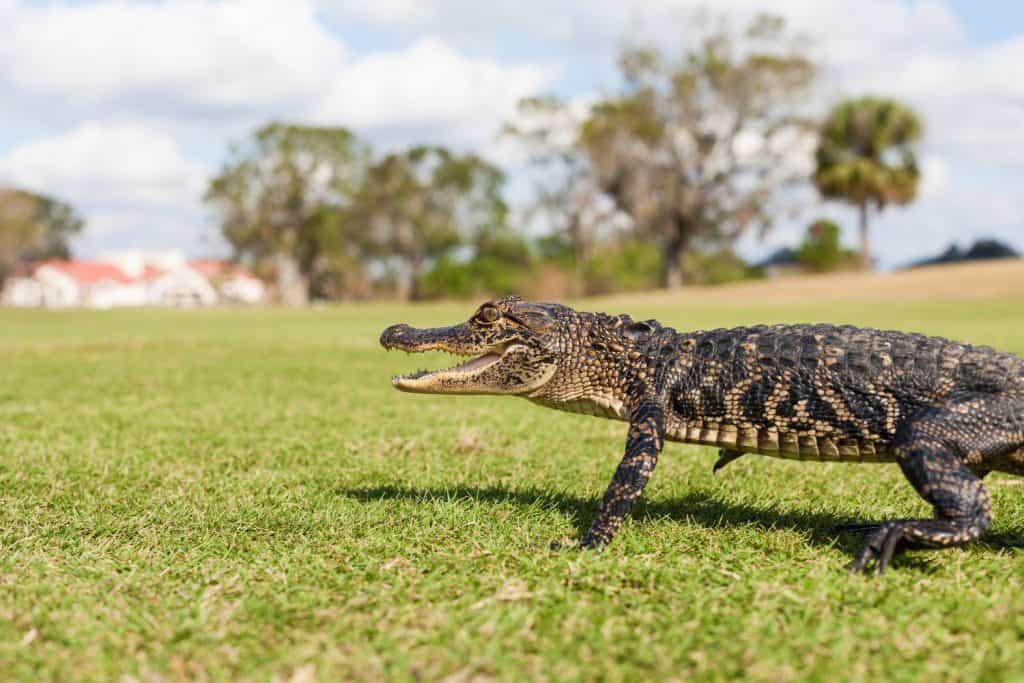
A baby alligator walking on a golf green.
In the Southeast, American alligators now turn up in golf course ponds, stormwater basins, and backyard canals, especially where housing developments have filled wetlands. And they can climb fences to get to these places. Because they are cold-blooded reptiles, they spend long hours basking at the water’s edge or cruising slowly just below the surface. This behavior makes them highly visible to walkers and golfers.
Wildlife agencies point out that most alligators prefer to avoid people and will slip away if people leave them alone. Feeding them—even tossing a few scraps—teaches them to associate humans with food. That habit leads to trouble. “Nuisance” alligators can lose their natural fear and approach yards, docks, or swimming areas, sometimes leading to dangerous encounters and removal.
Wild Hogs (Sus scrofa)
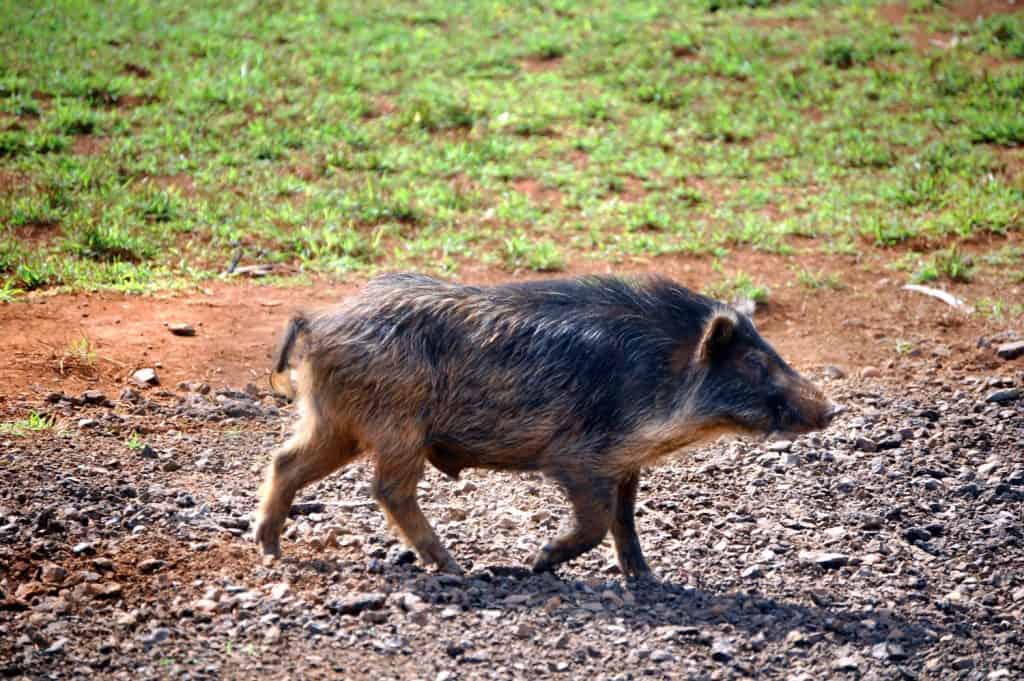
Feral hogs, descended from escaped domestic pigs and imported wild boars that were once released for hunting, have exploded across much of the South and parts of the Midwest. In many of these areas they root up lawns, parks, and agricultural fields.
Wild hogs do great damage to the ecosystem with their rooting and wallowing.
Their strong snouts turn over soil like plows. In a single night they may rip up turf, gardens, and irrigation lines, causing far more damage than a raccoon raid on the trash. They also compete with native wildlife for food and can spread diseases to livestock and, in rare cases, humans.
Because hogs reproduce quickly and travel in groups, many managers still rely on lethal control. However, feral pigs are intelligent and learn from hunting methods. They can also scatter to new areas when hunted, spreading the damage. Agencies often try to trap whole herds as a group to prevent this. Increasingly they combine trapping, hunting, and prevention so that efforts do not backfire by simply opening space for new groups.
Iguanas (Iguana iguana)
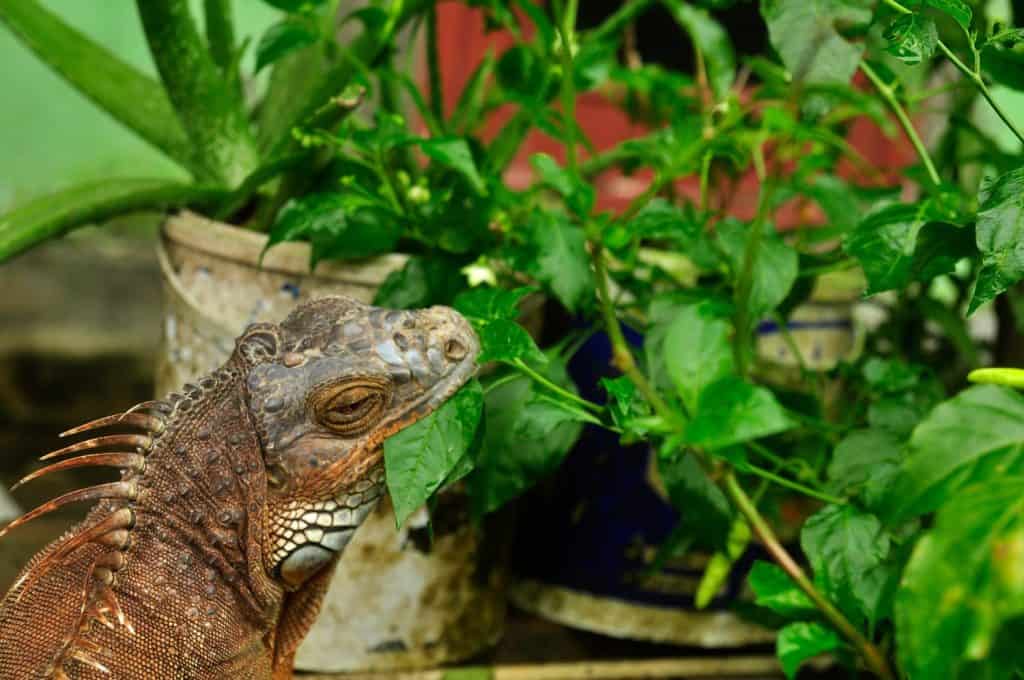
In warm coastal states, particularly Florida, green iguanas escaped from the pet trade and settled into canals, seawalls, and lush neighborhoods. They often bask on docks and roofs and dig extensive burrows that weaken sidewalks and seawalls. They drop messy piles of plant-filled droppings and raid ornamental gardens. Because they are not native, iguanas can outcompete local reptiles and damage vegetation, so some areas allow or encourage humane removal.
Wildlife agencies emphasize that people cause much of the problem when they release unwanted pet iguanas into the wild. Responsible pet ownership—either keeping animals secure or surrendering them to proper shelters—helps prevent new introductions.
Iguanas like to eat the leaves of ornamental plants in people’s yards in Florida.
Residents who share space with wild iguanas often adapt in practical ways. They plant species the lizards dislike, cover pool areas, and seal gaps where iguanas might nest. These strategies balance the annoyance of chewed hibiscus with the reality that the lizards have become part of the urban landscape.
White-Tailed Deer (Odocoileus virginianus)
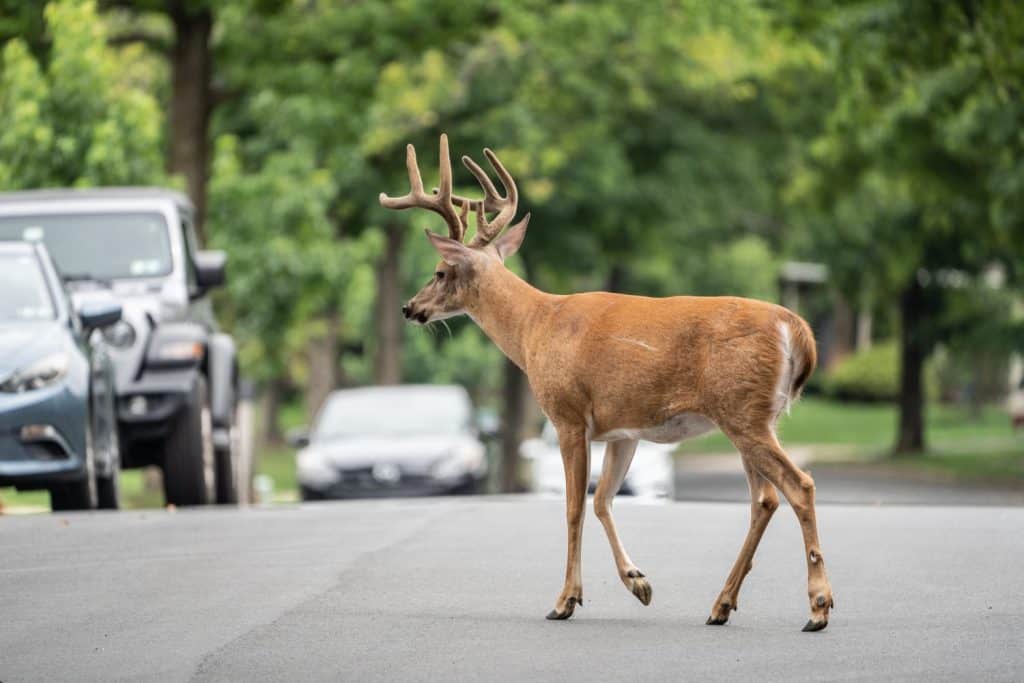
Deer are majestic creatures, but in human communities they can pose hazards by carrying ticks that cause lyme disease and causing traffic accidents.
White-tailed deer have become one of the most familiar large animals in suburban neighborhoods across the eastern United States. As forests have been broken into smaller patches by roads and housing, deer have adapted by using yards, parks, and green corridors as part of their daily range. Suburbs offer a steady supply of food. Ornamental plants, vegetable gardens, and landscaping shrubs provide easy meals with few natural predators nearby. Deer often move through neighborhoods at dawn and dusk, sometimes appearing calm around people, which can give a false sense of safety.
Their presence brings trade-offs. Deer browsing can damage gardens and young trees, and high populations increase the risk of vehicle collisions. They also play a role in spreading ticks that carry diseases such as Lyme disease. Wildlife managers recommend deterrents rather than removal. Fencing, deer-resistant plants, and motion-activated lights or sprinklers can reduce damage. In many areas, the goal is not to eliminate deer but to limit the ways suburban environments unintentionally support unnaturally high numbers.
Copperheads (Agkistrodon contortrix)
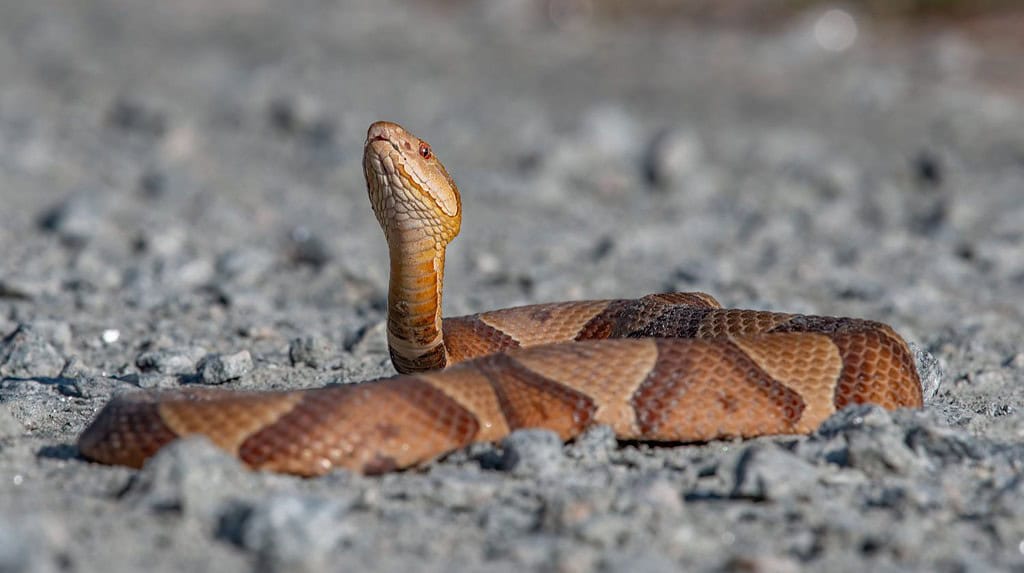
Copperheads are one of the most common venomous snakes in the eastern United States and frequently live in wooded suburbs, especially where leaf litter, logs, and rocky edges provide cover. Their coloration blends almost perfectly with fallen leaves, making them easy to overlook. These snakes rely on camouflage more than aggression. When approached, they often remain still rather than fleeing, which is why people sometimes step near them without realizing it. Most bites occur when someone accidentally gets too close or tries to kill or handle the snake.
Dying from a copperhead bite is rare, but it can cause bruising, swelling, and tissue damage.
Red-Tailed Hawks (Buteo jamaicensis)
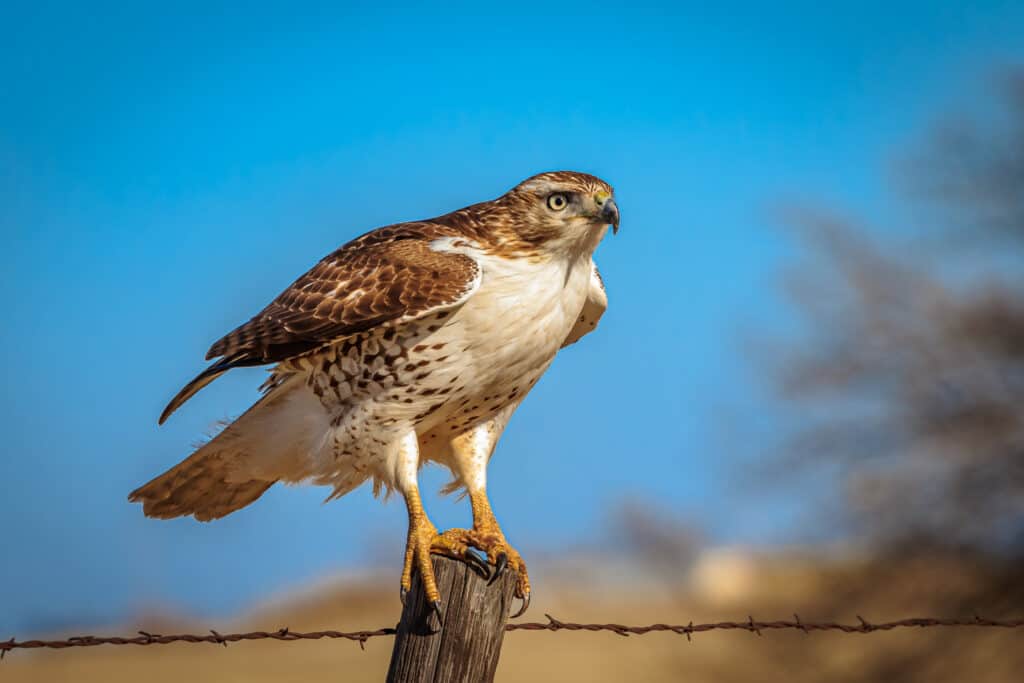
Red-tailed hawks are a common sight over suburban neighborhoods, often seen soaring in wide circles or perched on utility poles and tall trees. These birds of prey have adapted well to human-altered landscapes, where open lawns and roadside edges make it easier to spot hunting opportunities.
Their primary diet consists of rodents such as mice, rats, and squirrels, along with occasional rabbits and small birds. This makes them valuable for controlling pest populations that thrive around human activity.
Red-tailed hawks mostly prey on live animals such as rodents and other small mammals.
Stev Lime is a passionate wildlife and nature writer dedicated to sharing fascinating stories and informative insights about animals around the world. With a strong interest in wildlife, animal behavior, habitats, and conservation, Stev Lime creates engaging content that helps readers discover and appreciate the natural world.
Through carefully researched articles, Stev Lime explores the lives, behaviors, and unique characteristics of wild animals while highlighting the importance of protecting wildlife and preserving their natural habitats.