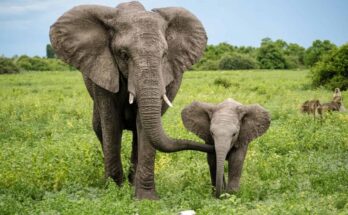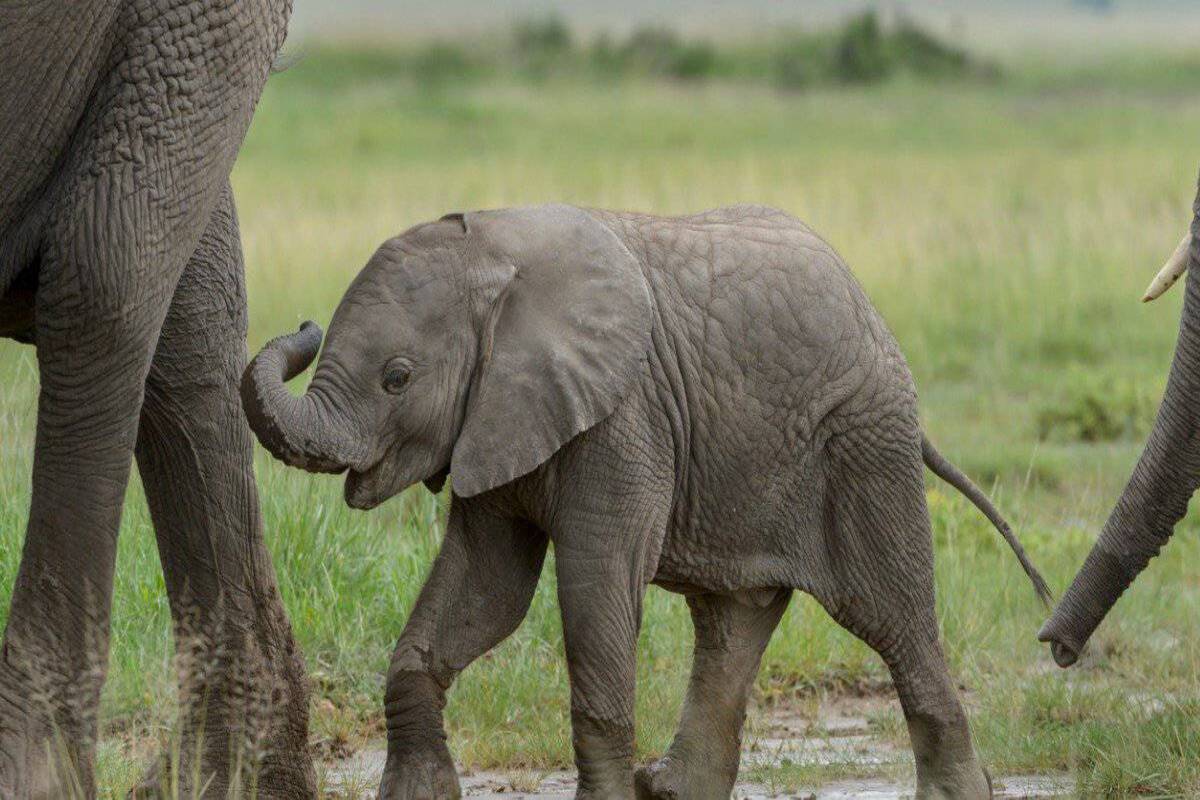
Baby elephants might grow to be one of the largest land animals in the world, but they are only around 200 to 300 pounds when they are born. Did you know that young elephants are called calves? Or that they rely on their mother’s guidance due to poor vision? Read on for 10 elephant baby facts that support just how awesome this giant mammal is!
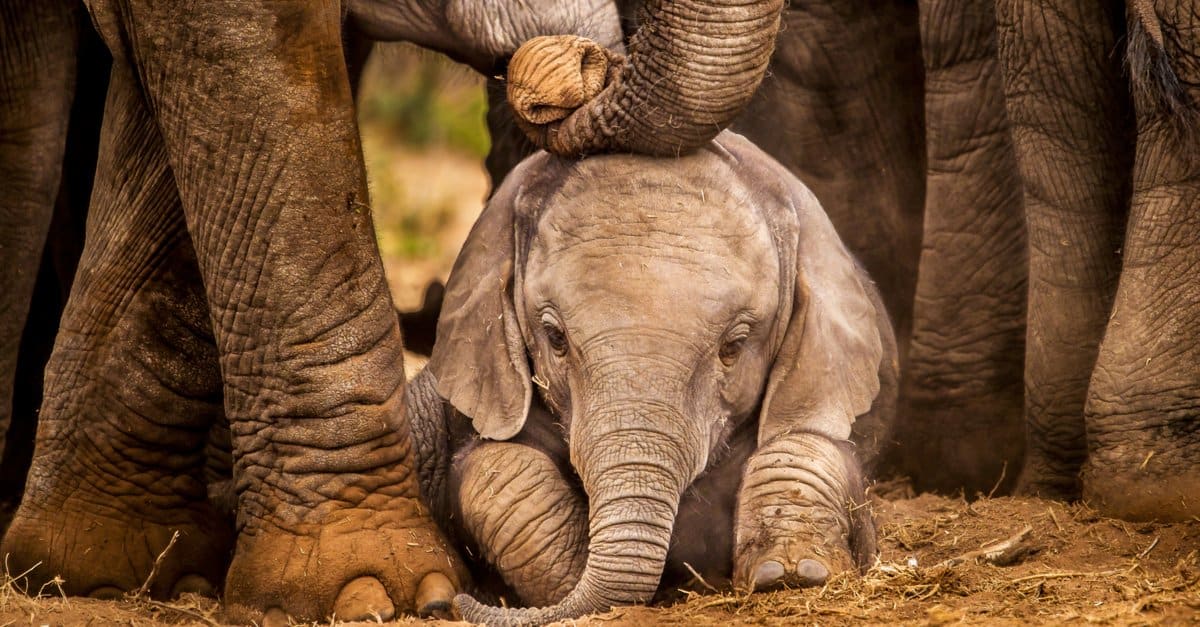
This post was updated on August 27, 2025 to clarify information on baby elephant tushes, sand baths, and vision.
#10: Baby Elephants Can’t Jump
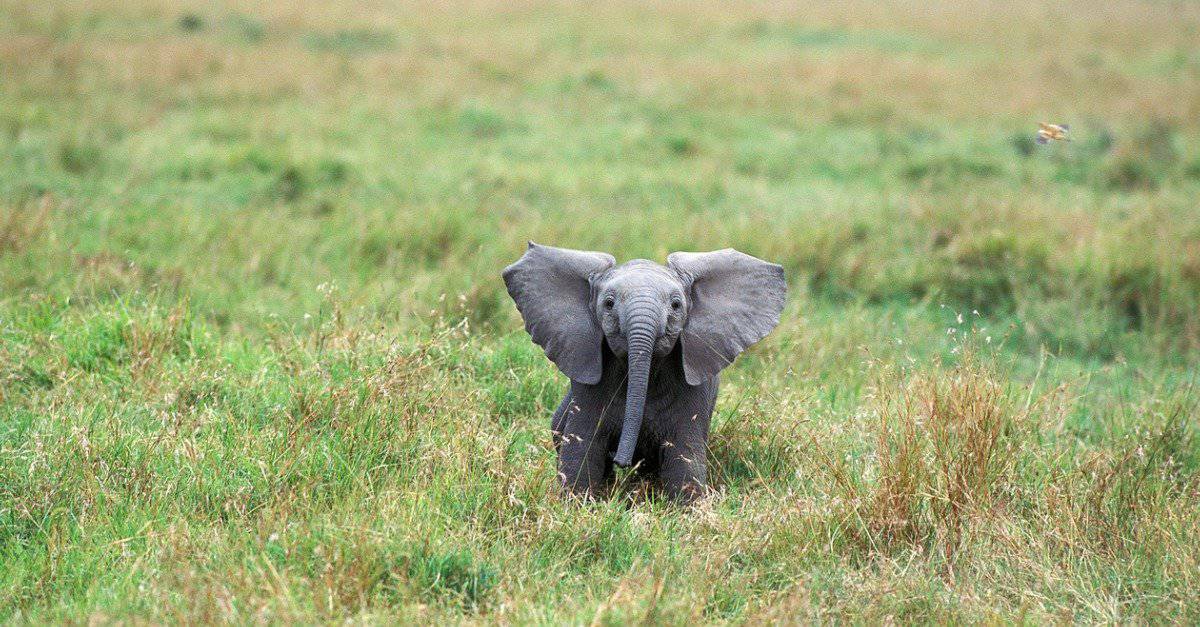
Elephants are the largest animals in the world that can’t jump. Scientists largely agree that this is due to their anatomy, especially their straight-legged posture and heavy mass. In addition to not jumping, baby elephants can’t get all four of their feet off the ground at the same time. When they are running, they constantly have at least one foot in contact with the ground. This is thought to promote stability.
#9: Newborn Elephants Soothe Themselves by Sucking Their Trunks
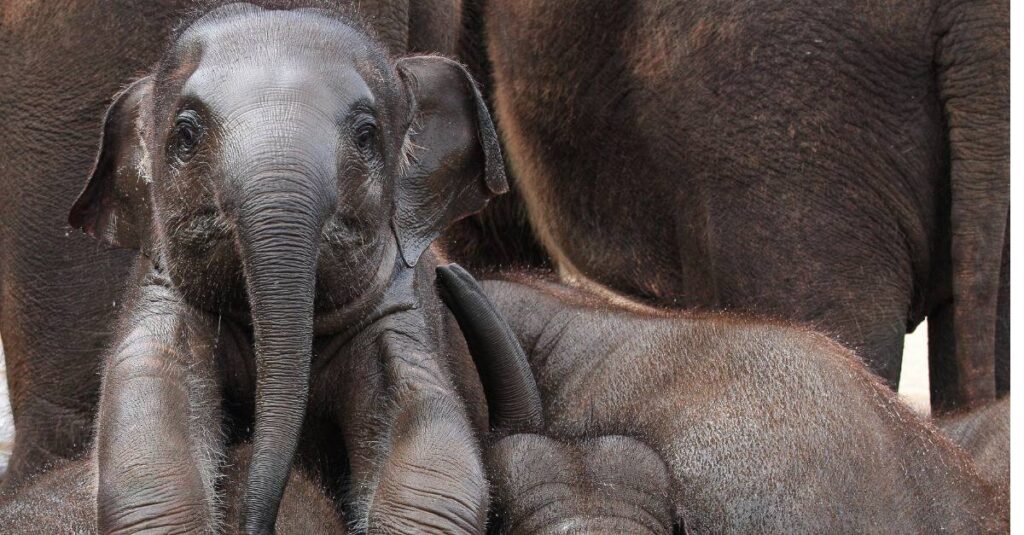
We all know human babies suck their thumbs for comfort. Did you know that baby elephants do the same thing with their trunks? These tiny giants don’t just do this to soothe themselves, though. It also helps them strengthen their trunk muscles and gain better control over the appendage.
#8: Baby Elephants are Called Calves and Weigh Around 200 Pounds When They Are Born!
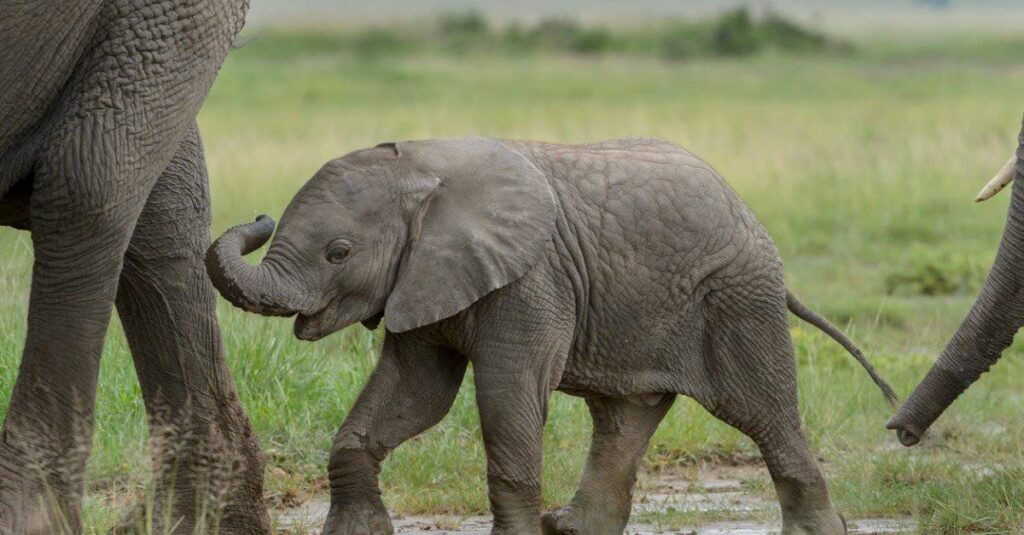
A baby elephant is called a calf. Groups of baby elephants are called calves. Baby elephants are far from the only species whose young we refer to as calves. For example, the babies of cows are called calves. In addition, other large animals like rhinos and whales also have babies known as calves!
A newborn elephant usually weighs in anywhere from 200-300 pounds and stands around three feet tall! As they grow up, they rapidly pack on the pounds and will end up weighing up to 15,000 pounds when fully grown. Scientists say that on average, baby elephants gain about 2-3 pounds per day during their early months, though this rate slows as they get older. Now that’s a big baby!
#7: It Takes Elephants Nearly Two Years to Give Birth
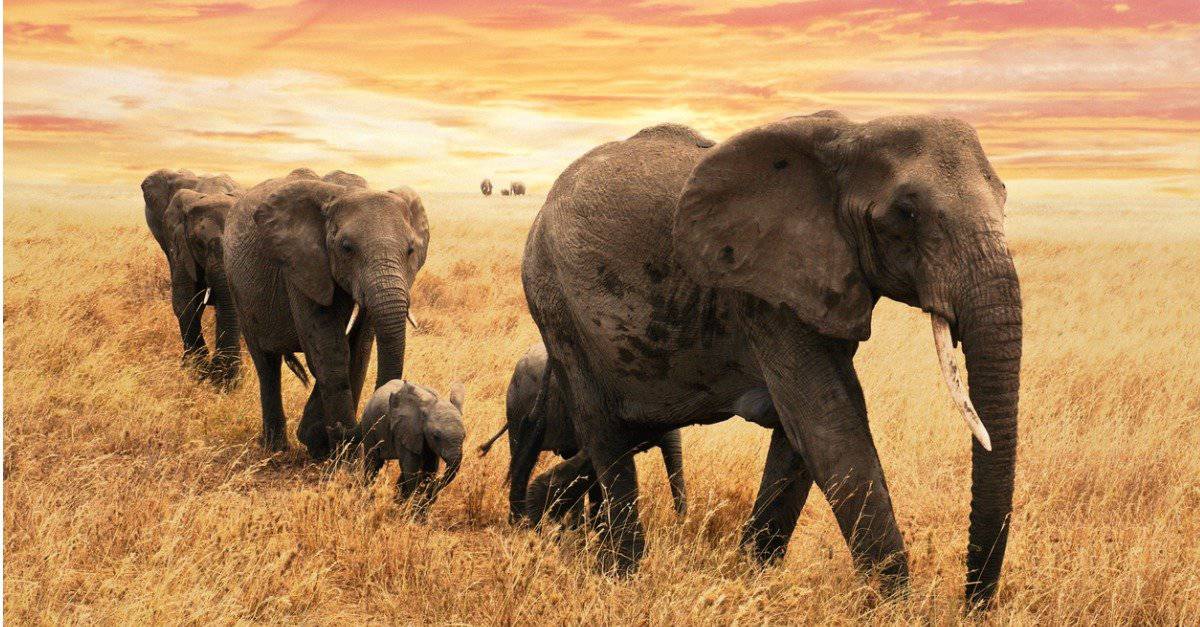
Did you know that adult elephants are pregnant for 22 months before they give birth to a newborn elephant? It’s true! This gestation period makes the elephant the mammal with the longest-lasting pregnancies on Earth. Elephants are pregnant for so long in part because of the size of their babies – it takes longer to develop a 200-pound newborn!
#6: Baby Elephants Have to Learn How to Use Their Trunks
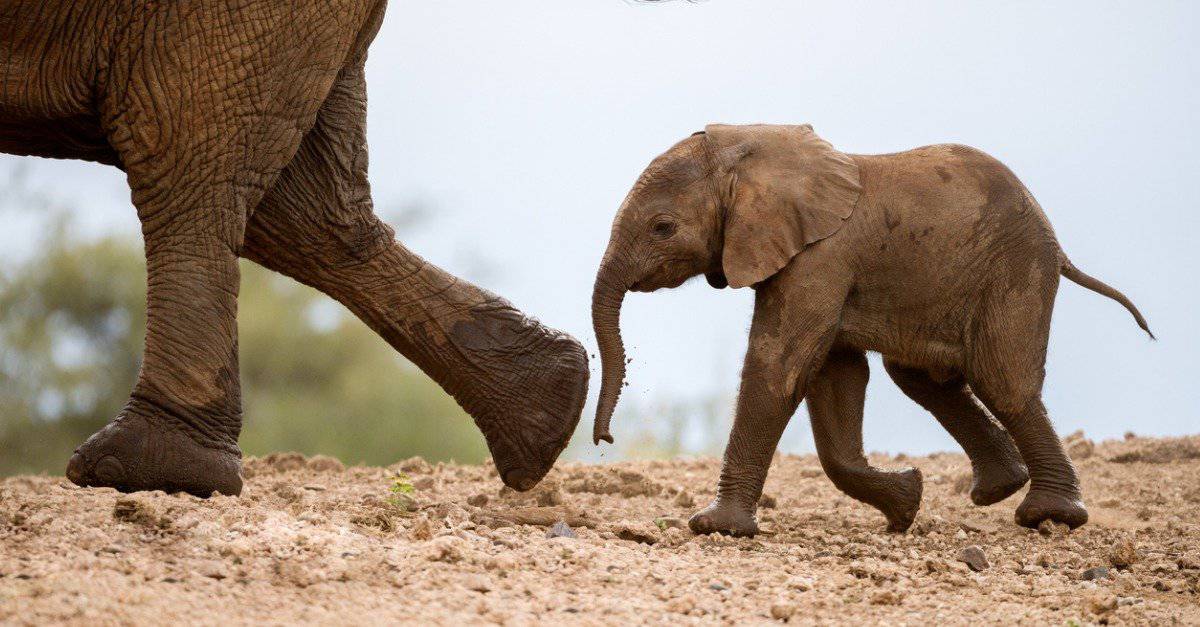
You might be surprised to learn that a baby elephant doesn’t instinctively know how to use its trunk. When they are born, they lack muscle tone in their trunks, which makes them difficult to control, so elephants must get plenty of practice in to build strength and dexterity in their trunks. Baby elephants strengthen and learn how to use their trunks by playing in water and swinging it back and forth.
#5: Baby Elephants Lose Their ‘Baby Tusks’
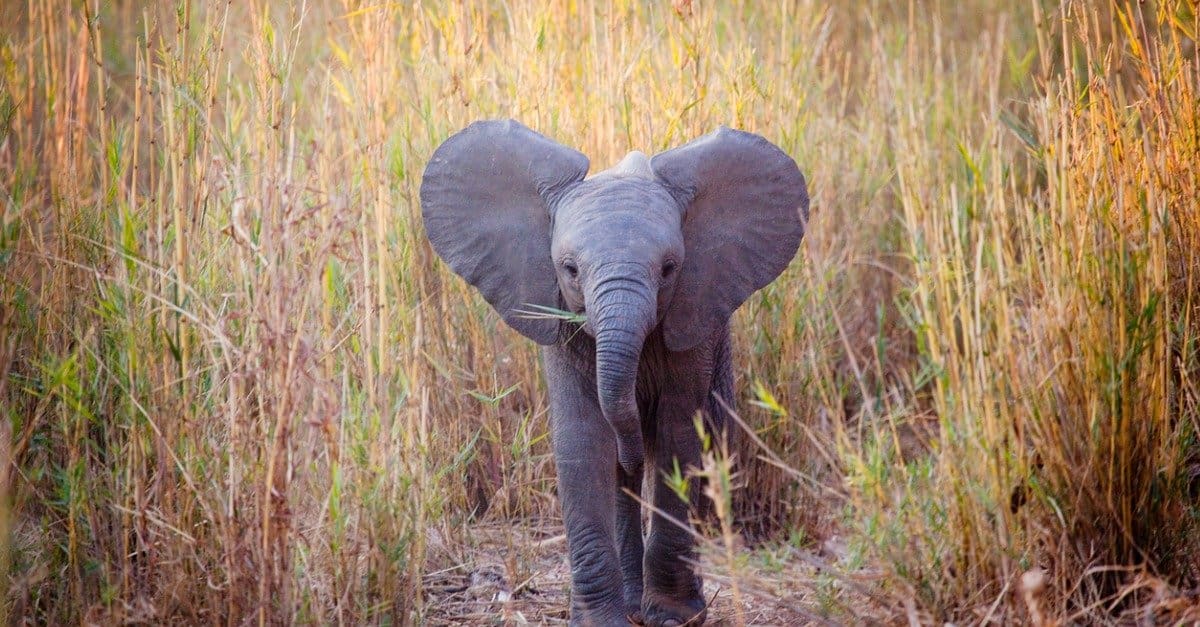
If you’ve ever had a visit from the tooth fairy, you know it’s normal for babies to lose their first set of teeth. A baby elephant will shed its tushes (or ‘baby tusks’) the same way! Baby elephants aren’t born with any tusk-like anatomy at all; at around 6–12 months of age, temporary tusks called tushes erupt, but these fall out after about a year. When they turn two, their permanent adult tusks begin to grow, which continue getting larger until the elephant is fully grown.